
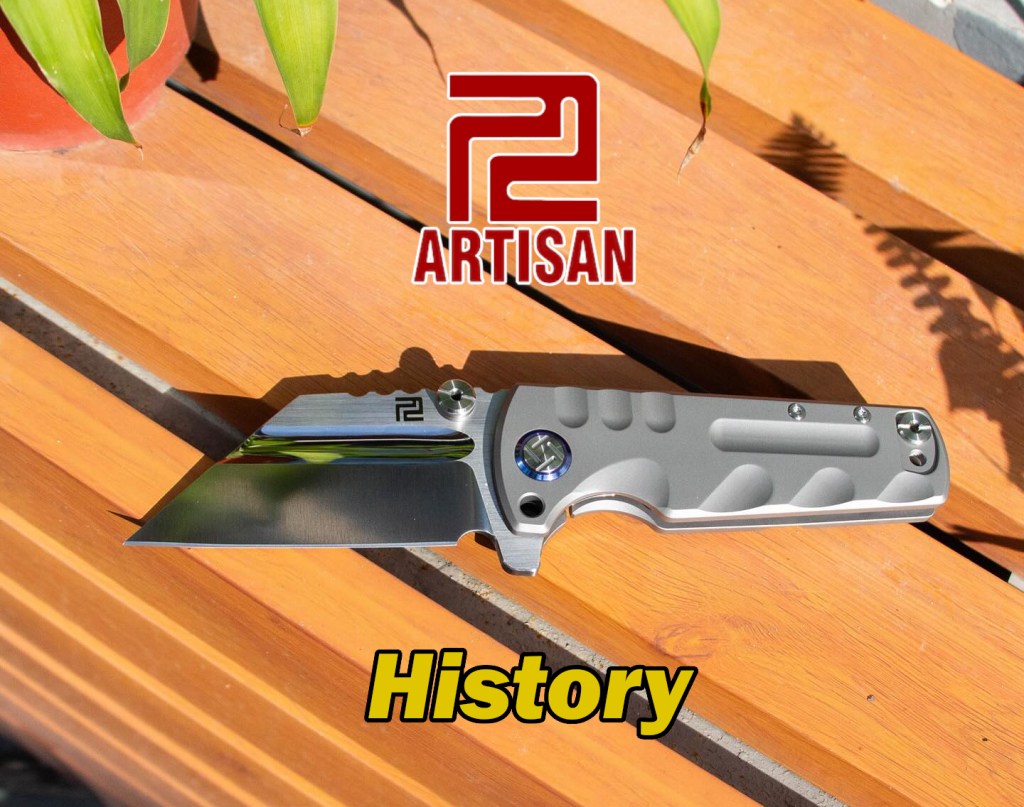
Artisan Cutlery represents a modern evolution in the global knife industry, blending advanced manufacturing, contemporary design, and collaborations with some of today’s most recognizable knife designers. Though the company does not have centuries-old roots like traditional European or American cutlery firms, Artisan Cutlery has quickly established itself as a serious player by embracing precision engineering, quality materials, and a strong connection to the modern knife community.
Founded during a period when CNC machining and global collaboration were reshaping knife production, Artisan Cutlery emerged as part of a new generation of manufacturers focused on delivering high-performance knives at accessible price points without sacrificing craftsmanship.
Foundations in Modern Manufacturing
Artisan Cutlery was established in China, a country that had already become a major manufacturing hub for consumer goods by the early 21st century. Unlike earlier generations of mass-produced knives that emphasized volume over refinement, Artisan Cutlery entered the market with a different objective: to produce knives that met enthusiast-level expectations using advanced manufacturing processes.
From the beginning, the company invested heavily in modern CNC machining, precision grinding, and strict quality control. This approach allowed Artisan Cutlery to achieve consistency across large production runs while maintaining tight tolerances in blade geometry, lockup, and overall fit and finish.
Rather than positioning itself as a budget brand, Artisan aimed to compete directly with established mid to high-tier knife makers.
The Rise of Designer Collaborations
One of the most significant factors in Artisan Cutlery’s growth was its early embrace of designer collaborations. As the knife community increasingly valued unique designs and individual maker identities, Artisan recognized an opportunity to work directly with respected custom knife makers and independent designers.
These collaborations allowed Artisan to translate custom designs into production models while retaining the original designer’s intent. Knives created in partnership with designers such as Ray Laconico, Dirk Pinkerton, and others helped establish credibility among knife enthusiasts who might otherwise have been skeptical of newer production brands.
This strategy also allowed Artisan Cutlery to offer a wide range of styles, from minimalist EDC folders to bold, aggressive tactical designs.
Expanding the Product Line
As the company gained momentum, Artisan Cutlery expanded its catalog to include a variety of folding knives, fixed blades, and everyday carry tools. The emphasis remained on functional designs with modern aesthetics, appealing to users who valued both performance and visual appeal.
Blade shapes ranged from practical drop points and sheepsfoot profiles to more experimental forms, reflecting the influence of diverse designers and end users. Handle materials such as G-10, micarta, carbon fiber, and titanium became standard offerings, helping Artisan compete with established brands in the same category.
This expansion demonstrated the company’s flexibility while maintaining a consistent focus on quality.
Steel Selection and Performance Standards
Artisan Cutlery built its reputation in part by offering premium blade steels at price points that were often more accessible than competitors. Over time, the company incorporated well-regarded steels such as CPM S35VN, CPM S45VN, CPM S90V, and proprietary AR-RPM9 steel.
The introduction of AR-RPM9 marked a strategic move, allowing Artisan to offer a balanced, corrosion-resistant steel that performed well for everyday use while helping control costs. Heat treatment and blade finishing became areas of focus, as Artisan refined its processes to ensure reliable edge retention and durability.
This attention to steel performance helped shift perceptions about overseas knife manufacturing among enthusiasts.
Craftsmanship and Fit and Finish
One of the most notable aspects of Artisan Cutlery’s success has been its consistent fit and finish. Precision machining ensures tight tolerances, smooth action, and reliable lockup across models. Details such as chamfered edges, clean grinds, and well-executed stonewash or satin finishes contribute to a refined final product.
By maintaining high manufacturing standards, Artisan has been able to compete with brands from traditional knife-making regions, challenging long-held assumptions about where high-quality knives can be produced.
The Launch of CJRB and Brand Diversification
As Artisan Cutlery grew, the company introduced CJRB as a sister brand. While Artisan remained focused on higher-end materials and designer collaborations, CJRB targeted more budget-conscious consumers without abandoning quality standards.
This dual-brand strategy allowed the company to serve a wider audience while preserving Artisan Cutlery’s identity as a premium production brand. The success of CJRB further reinforced Artisan’s manufacturing capabilities and design philosophy.
Engaging the Knife Community
Artisan Cutlery’s growth has been closely tied to its engagement with the knife community. Social media, knife shows, and online forums played a crucial role in building brand recognition and trust. By actively showcasing prototypes, soliciting feedback, and collaborating with designers known within the community, Artisan positioned itself as a brand that listens to its customers.
This transparency helped foster loyalty among enthusiasts and collectors alike.
Competing in a Crowded Market
The modern knife market is highly competitive, with numerous brands offering similar materials and designs. Artisan Cutlery distinguished itself by combining premium features, consistent quality, and innovative design at prices that often undercut competitors.
Rather than relying on heritage or nostalgia, the brand focused on performance and value, appealing to a generation of users who view knives as everyday tools rather than heirlooms.
Influence on the Modern Knife Industry
Artisan Cutlery has contributed to broader changes in the knife industry by demonstrating that high-quality production knives can come from outside traditional manufacturing regions. The company’s success has encouraged greater openness among enthusiasts to judge knives based on performance and execution rather than origin alone.
Its emphasis on designer-driven production has also reinforced the importance of collaboration between custom makers and manufacturers.
A Defining Presence in Contemporary Knife Making
Artisan Cutlery’s history is a reflection of the modern knife industry itself—fast-moving, innovative, and shaped by global collaboration. By combining advanced manufacturing, premium materials, and respected design partnerships, the company has built a reputation that continues to grow.
Rather than following traditional paths, Artisan Cutlery forged its own, proving that craftsmanship, precision, and thoughtful design can thrive in a modern production environment. As the knife world continues to evolve, Artisan Cutlery stands as a defining example of what contemporary knife making can achieve when innovation and quality move forward together.


Leave a comment