
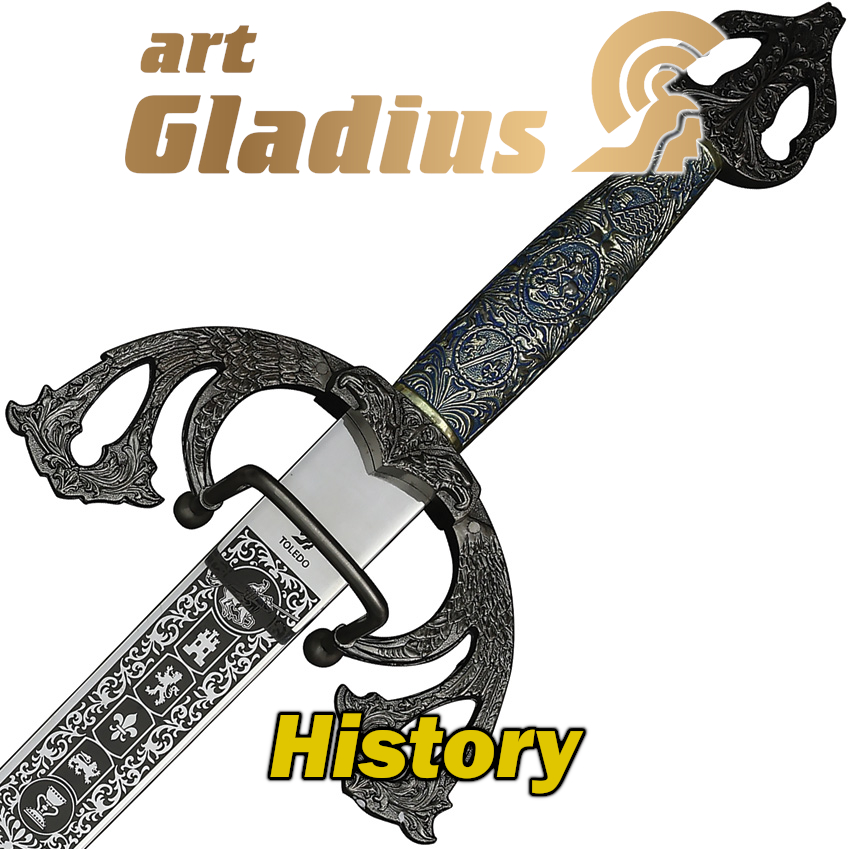
Art Gladius is a name closely associated with Spain’s long tradition of sword and blade making, particularly the historic city of Toledo. Unlike manufacturers focused on functional knives or military tools, Art Gladius built its identity around decorative swords, daggers, and historical replicas. The company’s history reflects the transition of European blade making from practical weaponry to collectible and display-focused craftsmanship.
Art Gladius represents the preservation of symbolic and artistic blade culture rather than battlefield utility.
Roots in Toledo, Spain
Toledo has been synonymous with sword making for centuries. During the Middle Ages and well into the early modern period, Toledo steel was renowned throughout Europe for its strength and craftsmanship. This reputation endured long after swords ceased to be primary weapons of war.
Art Gladius emerged within this cultural and historical environment. The company drew inspiration from Toledo’s legacy, focusing on the artistic and historical aspects of edged weapons rather than modern functional use.
This connection to place has been central to the brand’s identity.
Founding and Early Direction
Art Gladius was founded in the mid-20th century, during a period when interest in historical arms and medieval imagery was resurging. Tourism, historical reenactment, and popular media contributed to renewed demand for swords as decorative objects.
From its inception, Art Gladius specialized in replicas and stylized interpretations of historical weapons. These included medieval swords, daggers, fantasy-inspired blades, and ceremonial pieces.
The emphasis was on visual impact and historical symbolism rather than combat performance.
Decorative Craftsmanship Over Combat Function
Unlike traditional swordsmiths of earlier eras, Art Gladius focused on producing pieces intended for display. Blades were typically made from stainless steel, chosen for corrosion resistance and visual consistency.
Handles, guards, and pommels often featured ornate detailing, engravings, and themed designs referencing historical periods, heraldry, or mythology. Many pieces were designed to be mounted on walls or displayed as part of collections.
This approach made Art Gladius accessible to a wide audience seeking historical aesthetics without the maintenance demands of functional weapons.
Influence of Popular Culture
Art Gladius benefited from growing interest in fantasy literature, historical films, and medieval-themed entertainment. As swords became symbols of adventure and heritage rather than tools of war, decorative replicas found a strong market.
The company produced pieces inspired by medieval knights, crusader imagery, and legendary weapons. These designs appealed to collectors, tourists, and fans of historical fiction alike.
Popular culture played a significant role in sustaining demand for Art Gladius products.
Manufacturing and Export Growth
While rooted in Spanish tradition, Art Gladius expanded its reach through international distribution. The company’s products became widely available in Europe and North America, often sold through specialty shops, gift stores, and online retailers.
Art Gladius maintained production in Spain, reinforcing the appeal of Toledo-associated craftsmanship even as the nature of the products shifted toward decorative use.
This balance of local identity and global distribution supported long-term brand recognition.
Distinction From Functional Blade Makers
Art Gladius occupies a clear niche separate from functional sword and knife manufacturers. Its products are not intended for cutting practice, martial training, or reenactment combat.
Instead, the brand focuses on visual storytelling and historical representation. This clarity has helped manage expectations and allowed Art Gladius to remain consistent in its offerings.
Collectors understand Art Gladius pieces as art objects rather than tools.
Role in Collecting and Display
For many collectors, Art Gladius serves as an entry point into historical arms collecting. The pieces are typically more affordable and easier to maintain than traditionally forged swords.
Wall-mounted swords, themed daggers, and ceremonial replicas allow owners to display historical interest without specialized knowledge or upkeep.
In this way, Art Gladius helped democratize access to historical blade aesthetics.
Art Gladius in the Modern Market
Today, Art Gladius continues to produce decorative swords and blades that draw from European history and fantasy themes. While tastes have evolved, interest in medieval imagery and collectible arms remains strong.
The brand has adapted by refining designs and expanding thematic offerings while maintaining its focus on display-oriented craftsmanship.
Art Gladius remains associated with Toledo’s symbolic blade-making heritage.
Cultural Significance
While Art Gladius does not represent traditional functional swordsmithing, it plays an important cultural role. The brand helps keep historical blade imagery visible in modern life, connecting contemporary audiences with the symbolism of swords.
These pieces serve as visual reminders of Europe’s martial past and the artistry once embedded in everyday weapons.
This symbolic preservation is central to Art Gladius’s legacy.
A Legacy of Symbol and Style
The history of Art Gladius is defined by transformation. Rooted in one of the world’s most famous blade-making cities, the brand shifted from the idea of weapons as tools to weapons as art.
By focusing on decorative craftsmanship and historical imagery, Art Gladius preserved the spirit of Toledo steel in a form suited to the modern world—one where swords are admired for what they represent rather than how they perform.
 Knife History
Leave a comment