
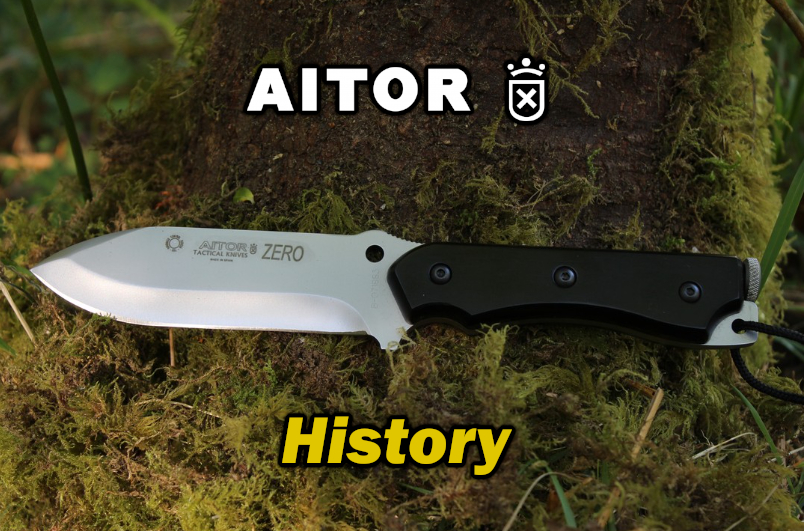
Aitor Knives occupies a distinctive place in European knife history, particularly in the realm of military, survival, and outdoor blades. Known for robust construction and practical designs, Aitor gained international recognition during the late 20th century as survival knives and military-inspired tools surged in popularity. While often associated with tactical aesthetics, the brand’s origins are rooted in traditional Spanish cutlery and industrial craftsmanship.
The story of Aitor is shaped by regional manufacturing heritage, military contracts, and changing global attitudes toward survival gear.
Origins in Spain’s Cutlery Tradition
Aitor was founded in 1939 in Ermua, a town in Spain’s Basque Country with a long history of metalworking and tool production. The region is well known for firearms and edged-tool manufacturing, and Aitor emerged within this established industrial culture.
In its early years, the company produced knives and tools intended primarily for practical and professional use. These included utility knives, hunting blades, and work tools designed to meet the needs of Spain’s post-war economy.
Aitor’s early emphasis on durability and function reflected the realities of the time, when tools were expected to serve reliably rather than impress aesthetically.
Growth and Military Association
Aitor’s reputation expanded significantly as the company began producing knives for military and law enforcement use. During the mid-20th century, European armed forces sought durable, standardized equipment, and Aitor became a supplier for Spain’s military.
This association shaped the brand’s design philosophy. Military knives emphasized strength, corrosion resistance, and multi-purpose functionality. Many Aitor designs featured thick spines, secure guards, and handles suited for use with gloves or in harsh conditions.
The credibility gained through military contracts would later play a major role in the brand’s international recognition.
The Rise of the Survival Knife Era
Aitor achieved global visibility during the survival knife boom of the 1970s and 1980s. This period saw heightened interest in outdoor survival, military equipment, and adventure culture, driven by media, films, and growing recreational wilderness use.
Aitor’s survival knives, often featuring hollow handles, sawback spines, and included survival kits, aligned perfectly with the era’s expectations. These knives were marketed as all-in-one tools capable of supporting users in extreme environments.
Models such as the Aitor Jungle King became widely known and are now considered iconic examples of European survival knife design.
Design Characteristics and Materials
Aitor knives have traditionally favored robust blade profiles and straightforward construction. Many classic models used stainless steel for corrosion resistance, particularly important for military and outdoor environments.
Handles were often made from durable synthetics or aluminum, prioritizing strength and weather resistance over comfort or refinement. These design choices reinforced Aitor’s identity as a maker of serious tools rather than decorative knives.
While some designs were influenced by trends of the time, the underlying focus remained functionality.
International Expansion and Popular Culture
As survival knives gained popularity outside military circles, Aitor expanded into international markets. Its knives were distributed throughout Europe, North America, and other regions where interest in outdoor gear was growing.
Aitor knives also appeared in films, television, and popular media, further cementing their reputation. These appearances contributed to the brand’s association with adventure and tactical imagery, even as actual battlefield use of such knives declined.
This visibility helped Aitor maintain relevance beyond its original professional audience.
Challenges and Market Shifts
By the late 1980s and 1990s, consumer preferences began to shift. Survival knives with hollow handles fell out of favor as users prioritized ergonomics, blade geometry, and steel performance over novelty features.
At the same time, global competition increased, with manufacturers from the United States and Asia offering alternative designs at varying price points. Aitor faced the challenge of adapting to a market that increasingly valued modern materials and minimalist design.
The brand responded by refining its lineup and expanding into more traditional outdoor and utility knives.
Continued Presence and Modern Identity
Despite changes in trends, Aitor has remained active, continuing to produce knives that reflect its heritage. Modern Aitor knives often blend traditional robustness with updated manufacturing techniques and materials.
The company’s military heritage remains a central part of its identity, even as it serves civilian outdoor users. Aitor knives are still valued for their durability and straightforward design philosophy.
This balance between tradition and adaptation has allowed the brand to endure.
Aitor’s Place in Knife History
Aitor’s importance lies not in constant reinvention, but in its role during a defining era of knife culture. The brand helped shape perceptions of survival knives during their peak popularity and demonstrated how European manufacturers could compete in a global market dominated by American and Asian companies.
For collectors, Aitor knives represent a distinct moment in knife history. For users, they remain symbols of rugged, no-nonsense design.
A Legacy Forged in Utility
The history of Aitor Knives is one of regional craftsmanship meeting global demand. From its origins in Spain’s Basque Country to its rise during the survival knife boom, Aitor has remained committed to producing tools designed for real-world use.
While trends have changed, Aitor’s emphasis on durability and practicality has endured. Its knives stand as reminders of an era when preparedness and self-reliance captured the imagination of outdoor enthusiasts worldwide—and when a well-built knife was seen as an essential companion rather than a luxury.
 Knife History
Leave a comment