
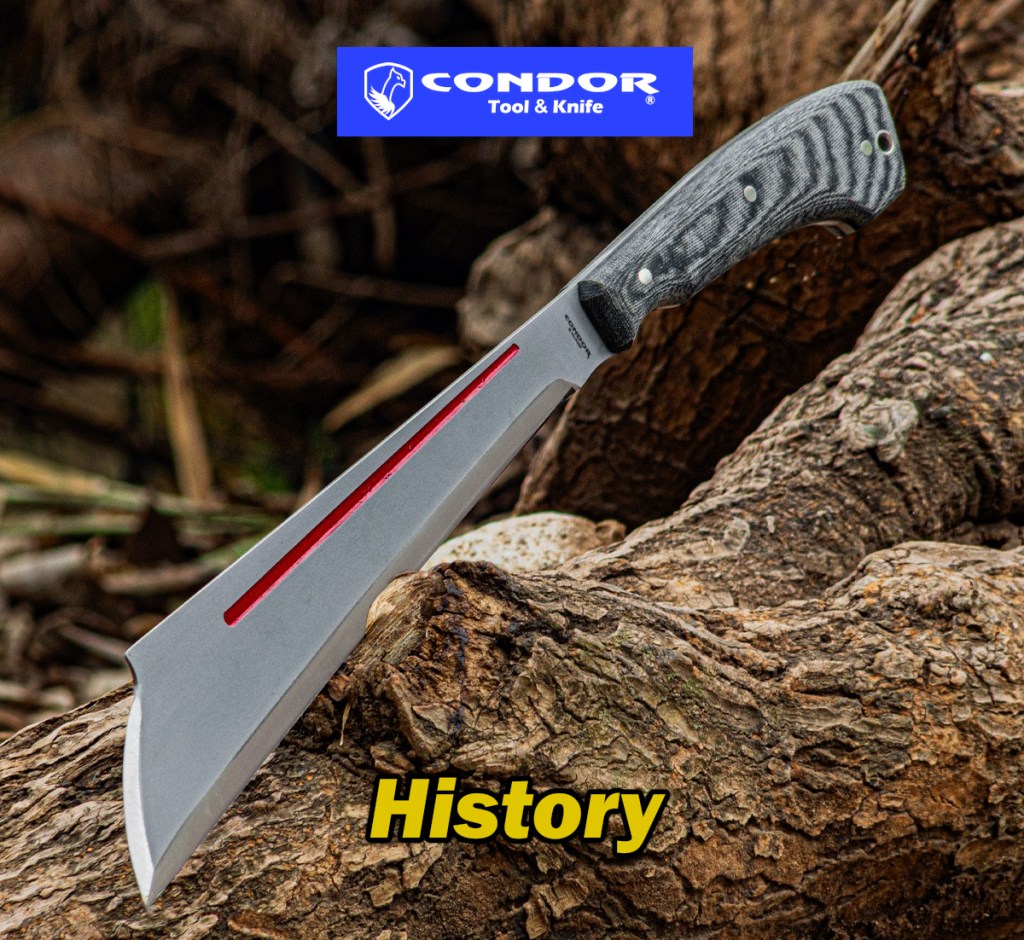
Condor Knife & Tool has earned a strong reputation among outdoorsmen, survivalists, and bushcraft enthusiasts for producing durable, purpose-built knives and tools inspired by traditional working blades. While many modern knife companies emphasize premium finishes or tactical aesthetics, Condor’s identity has remained grounded in utility, heritage, and real-world use. The company’s history is closely tied to Central America, agricultural tools, and a philosophy that values function above all else.
From machetes used in jungle environments to modern fixed blades designed for wilderness survival, Condor Knife & Tool represents a blend of tradition and modern manufacturing that has resonated with users around the world.
Origins in El Salvador
The roots of Condor Knife & Tool trace back to El Salvador, where its parent company, Imacasa, was founded in 1964. Imacasa began as a manufacturer of agricultural tools, including machetes, axes, and other cutting implements used by farmers, laborers, and land workers throughout Central America.
In this region, edged tools were not recreational items but daily necessities. Machetes were used for clearing vegetation, harvesting crops, and general labor, demanding toughness, ease of maintenance, and dependable performance. These early tools shaped the design philosophy that would later define Condor products.
The experience gained through decades of producing working machetes laid the foundation for Condor’s future expansion into the outdoor and knife enthusiast markets.
The Birth of Condor Knife & Tool
Condor Knife & Tool emerged as a distinct brand as Imacasa recognized growing international interest in outdoor recreation, bushcraft, and survival gear. Rather than reinventing itself entirely, the company chose to adapt its proven manufacturing expertise to new audiences.
Condor was introduced to bring traditional blade designs into a more refined, globally marketable form. The brand maintained the toughness and simplicity of agricultural tools while incorporating materials, heat treatments, and ergonomics suitable for camping, hunting, and survival use.
This transition allowed Condor to appeal to both traditional users and modern knife enthusiasts without abandoning its roots.
Emphasis on Traditional Blade Styles
One of Condor’s defining characteristics is its strong reliance on traditional blade patterns. Many Condor knives draw inspiration from historic machetes, parangs, bowies, seaxes, and other classic designs used across different cultures.
These influences are not merely aesthetic. Traditional blade shapes were developed over centuries to solve specific problems, and Condor embraced this logic by creating knives meant to chop, slice, carve, and endure prolonged use.
This focus set Condor apart from brands driven primarily by trends or tactical styling, reinforcing its reputation as a company that values function and heritage.
Expansion into the Outdoor and Bushcraft Market
As interest in bushcraft and wilderness skills grew in the late 20th and early 21st centuries, Condor found a natural audience. The brand’s knives appealed to users who wanted tools capable of handling wood processing, shelter building, and camp tasks without delicate handling.
Condor began collaborating with well-known knife designers and outdoor personalities to refine its offerings. These collaborations helped introduce new designs while maintaining the brand’s practical identity.
The result was a catalog that balanced rugged field tools with thoughtfully designed outdoor knives.
Manufacturing Philosophy and Materials
Condor Knife & Tool typically uses high-carbon steels such as 1075, which align with its focus on durability and ease of sharpening. While not considered exotic, these steels perform reliably in outdoor environments and can be maintained with simple tools.
Handles are often made from hardwoods, Micarta, or polypropylene, emphasizing comfort and durability over luxury. Leather sheaths, another signature of the brand, reinforce Condor’s traditional aesthetic and functional approach.
Rather than chasing cutting-edge metallurgy, Condor has consistently favored materials that reflect real-world practicality.
Global Distribution and Brand Growth
Although Condor’s manufacturing roots remain in El Salvador, the brand’s reach has become global. Its tools are now distributed widely across North America, Europe, and other international markets.
This growth has been driven largely by word-of-mouth reputation and visibility within outdoor communities. Condor knives frequently appear in bushcraft demonstrations, survival courses, and field reviews, reinforcing the brand’s image as dependable and honest.
By maintaining accessible pricing, Condor has also appealed to users who want serious tools without premium price tags.
Position in the Modern Knife Industry
In a market crowded with tactical folders and high-end collector pieces, Condor Knife & Tool occupies a distinct niche. The brand is often viewed as a bridge between traditional working blades and modern outdoor knives.
Condor products are not designed to be display pieces. Instead, they are intended for use, wear, and maintenance over time. This approach resonates strongly with users who see knives as tools first and collectibles second.
As trends shift toward authenticity and skill-based outdoor pursuits, Condor’s identity has remained relevant.
Cultural Influence and Outdoor Education
Condor’s knives are frequently used in outdoor education settings, including bushcraft schools and survival training programs. Their durability and forgiving steel choices make them suitable for students learning proper knife skills.
This educational presence has helped shape Condor’s reputation as a brand that supports learning, self-reliance, and respect for traditional techniques.
By aligning itself with outdoor education, Condor has strengthened its long-term relevance within the community.
Continuing the Tradition
Today, Condor Knife & Tool continues to expand its lineup while staying true to its origins. New designs often reflect historic inspiration combined with modern ergonomics and materials.
The company’s commitment to producing dependable, purpose-built tools has allowed it to endure in an industry that often shifts rapidly with trends.
Rather than redefining itself repeatedly, Condor has refined its core philosophy over time.
A Legacy Forged in Function
The history of Condor Knife & Tool is a story of evolution without abandonment. From agricultural machetes used in Central American fields to outdoor knives trusted by bushcrafters and survivalists worldwide, the brand has remained rooted in function and tradition.
Condor’s success demonstrates that authenticity, durability, and respect for historical design can still thrive in the modern knife industry. Its legacy is not built on novelty, but on tools meant to be used, relied upon, and passed on—true to the spirit of the working blade.
 Knife History
Leave a comment