
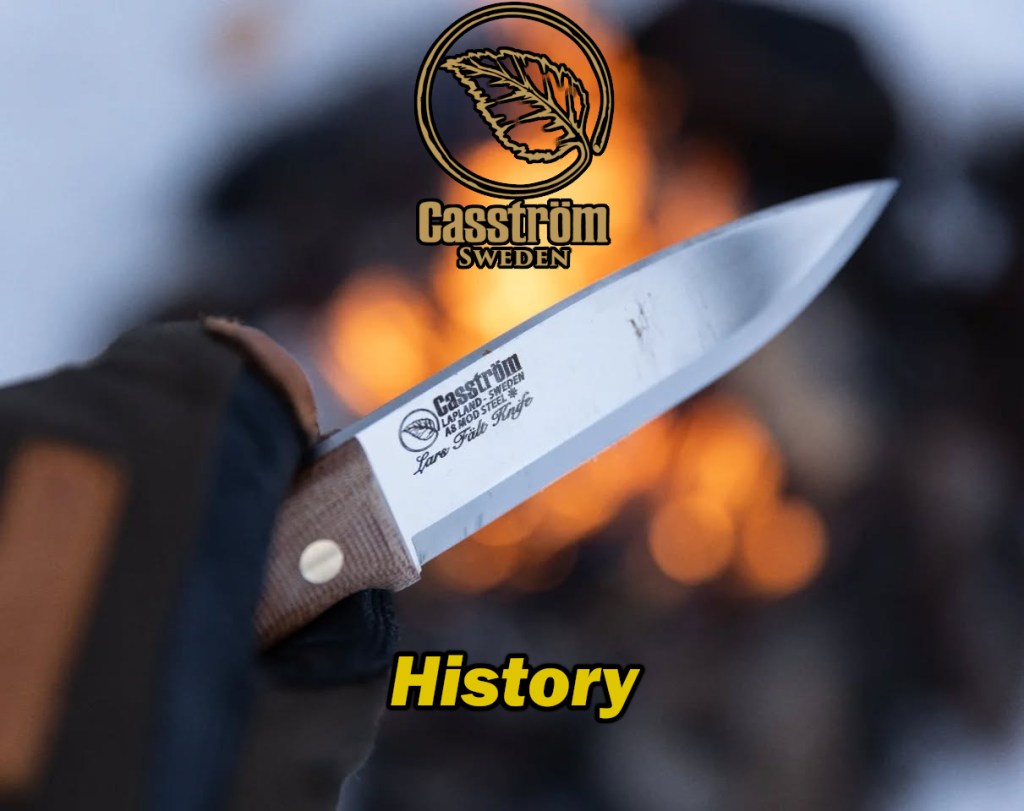
Casström Knives represents a thoughtful fusion of Scandinavian knife tradition, modern materials, and practical outdoor philosophy. Rooted in Sweden’s long history of bushcraft, hunting, and woodcraft, Casström has built its reputation on knives designed to work in real wilderness conditions rather than appeal to fleeting trends. While the company itself is relatively young, its designs draw from centuries of Nordic outdoor knowledge and a deep respect for functional simplicity.
Casström knives are best known for their clean lines, dependable performance, and strong connection to Scandinavian outdoor culture, making them a respected name among bushcrafters and serious outdoorsmen worldwide.
Scandinavian Knife Heritage
To understand Casström, it is essential to understand the environment and traditions that shaped Scandinavian knife culture. In Sweden and neighboring Nordic countries, knives have never been accessories or symbols of status. They have always been essential tools used for hunting, woodworking, food preparation, and survival in harsh climates.
Traditional Scandinavian knives emphasize practical blade shapes, comfortable handles, and durability. Designs evolved not in workshops disconnected from use, but in forests, tundra, and rural communities where tools had to perform reliably every day. This philosophy forms the backbone of Casström’s approach to knife making.
Rather than reinventing the knife, Casström focuses on refining what already works.
Founding of Casström Knives
Casström Knives was founded in Sweden by Roger Harrington, a lifelong outdoorsman, craftsman, and bushcraft enthusiast originally from the United Kingdom. After moving to Sweden, Harrington became deeply immersed in Scandinavian outdoor traditions, survival skills, and knife culture.
Through years of hands-on experience teaching bushcraft and working in the wilderness, Harrington developed strong opinions about what makes a truly effective outdoor knife. He believed that many modern knives were either overdesigned or disconnected from real outdoor needs.
Casström was founded to create knives that reflected authentic Scandinavian values while incorporating modern steel technology and manufacturing precision.
Philosophy of Functional Simplicity
From its earliest days, Casström emphasized simplicity, balance, and real-world usability. The brand rejects unnecessary embellishments in favor of designs that feel natural in the hand and perform predictably across a wide range of tasks.
Blade profiles tend to be classic and restrained, often featuring drop-point or spear-point shapes well suited to carving, food preparation, and general camp work. Handle designs prioritize comfort during extended use, avoiding aggressive contours that limit grip versatility.
This philosophy aligns closely with traditional Scandinavian knife principles, updated for contemporary expectations.
Collaboration with Bushcraft Experts
One of Casström’s defining characteristics is its collaboration with respected bushcraft and survival experts. Rather than designing knives in isolation, Casström works with individuals who have spent decades teaching and practicing wilderness skills.
A particularly notable collaboration is with Lars Fält, a legendary Swedish survival instructor often referred to as one of the founders of modern bushcraft education. Fält’s influence helped shape some of Casström’s most iconic designs, emphasizing knives as tools for living in nature rather than purely cutting instruments.
These collaborations reinforce Casström’s commitment to education, tradition, and field-tested design.
The Swedish Forest Knife and Brand Recognition
Casström gained wider recognition with the release of models such as the No.10 Swedish Forest Knife. This knife embodied the brand’s core values, featuring a robust yet refined blade, ergonomic handle, and materials chosen for reliability rather than novelty.
The Swedish Forest Knife quickly earned respect among bushcraft practitioners for its balance and versatility. It was large enough for heavier camp tasks while remaining nimble enough for fine carving and food preparation.
Success with this model helped establish Casström as a serious brand within the global bushcraft community.
Steel Selection and Material Choices
Casström Knives is particularly well known for its thoughtful approach to steel selection. The company has used a variety of steels over the years, including Sleipner, Sandvik stainless steels, and proprietary tool steels developed in collaboration with manufacturers.
Rather than chasing the latest steel trends, Casström selects materials based on toughness, ease of sharpening, edge stability, and suitability for outdoor use in cold and wet conditions. Heat treatment is treated as a critical component of performance, ensuring blades behave predictably under stress.
Handle materials such as curly birch, micarta, and stabilized woods reflect both Scandinavian tradition and modern durability standards.
Manufacturing and Swedish Identity
Casström knives are produced in Europe, with a strong emphasis on maintaining quality control and ethical manufacturing practices. While not every step is performed in Sweden, the brand maintains close oversight of production processes to ensure consistency and adherence to its design philosophy.
The company’s Swedish identity is not just geographic, but cultural. Casström actively promotes outdoor education, sustainable practices, and respect for nature, aligning its brand with the broader Scandinavian concept of friluftsliv, or open-air living.
This cultural grounding differentiates Casström from brands that adopt Nordic aesthetics without embracing the underlying philosophy.
Growth Within the Global Bushcraft Movement
As interest in bushcraft and traditional outdoor skills grew globally, Casström found a receptive audience beyond Scandinavia. Bushcrafters in Europe, North America, and other regions embraced Casström knives for their practicality and understated design.
Unlike tactical or survival-focused brands, Casström positioned itself firmly within the bushcraft tradition, emphasizing self-reliance, skill development, and harmony with nature.
This clear identity helped the brand grow organically through word-of-mouth and community respect rather than aggressive marketing.
Educational and Ethical Focus
Casström’s connection to outdoor education extends beyond product design. The brand frequently supports educational initiatives, instructors, and organizations dedicated to teaching safe and responsible outdoor skills.
This emphasis on education reflects the belief that tools are only as effective as the knowledge behind them. In this sense, Casström knives are intended to support learning and practice rather than replace skill with equipment.
Such positioning has earned Casström credibility among serious practitioners who value depth over hype.
Modern Refinement Without Losing Tradition
As Casström continues to evolve, it has introduced updated designs, new steels, and refined manufacturing techniques. However, these changes are implemented cautiously, ensuring that each development aligns with the brand’s core principles.
Casström resists the temptation to dramatically reinvent its knives with every release. Instead, it focuses on incremental improvements that enhance durability, comfort, and performance without compromising tradition.
This restraint has helped maintain trust and consistency across the brand’s product line.
A Brand Rooted in Nature and Experience
The history of Casström Knives is not defined by mass production, military contracts, or trend-driven design. It is defined by experience, environment, and respect for tradition. Built by outdoorsmen for outdoorsmen, Casström reflects a philosophy shaped by forests, seasons, and practical necessity.
By blending Scandinavian heritage with modern materials and thoughtful design, Casström has created knives that feel timeless rather than dated. Its legacy continues to grow quietly, carried not by marketing claims, but by the trust of those who rely on their tools in the wild.
In an industry often driven by extremes, Casström Knives stands as a reminder that the most enduring designs are often the simplest, refined through experience rather than reinvented through novelty.
 Knife History
Leave a comment