
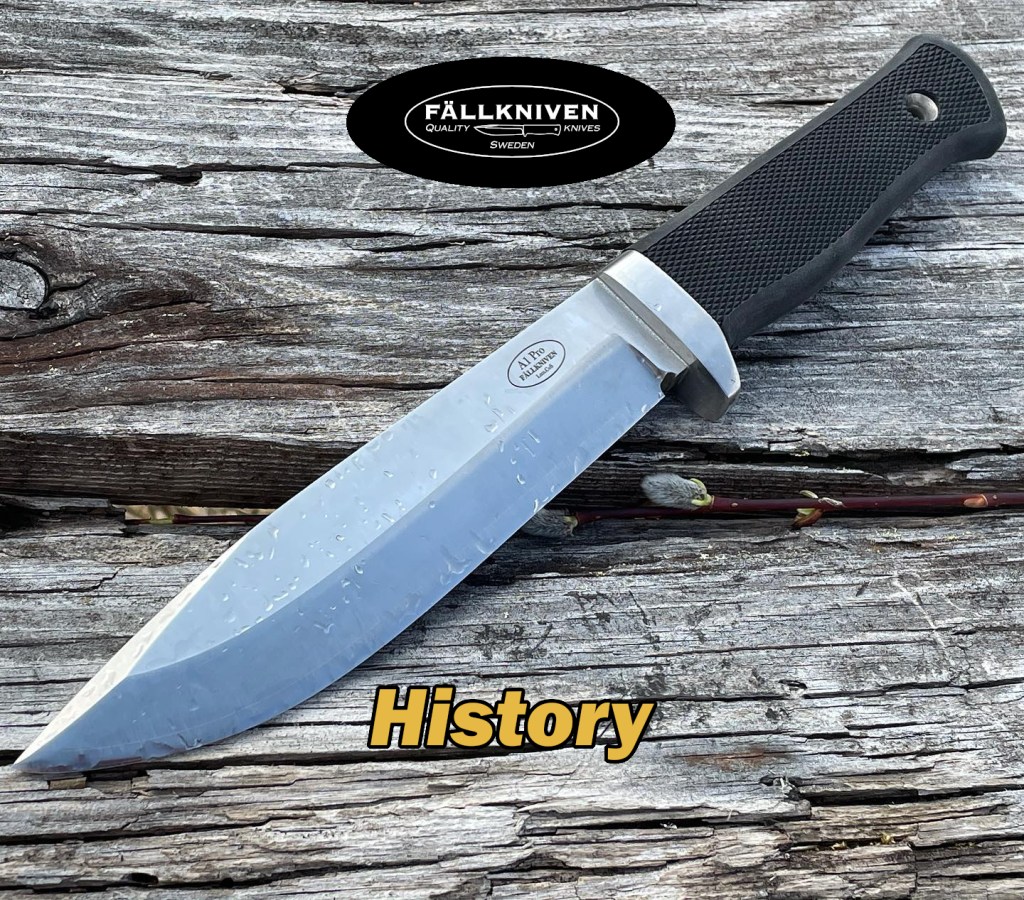
Fällkniven occupies a distinctive position in knife history as one of the brands that successfully bridged traditional Scandinavian knife culture with modern materials and manufacturing techniques. While deeply influenced by Nordic outdoor traditions, Fällkniven did not emerge from centuries-old blacksmith shops or regional folk knife makers. Instead, it grew from a scientific and engineering-driven approach to blade performance, becoming one of the most influential modern knife companies in the world.
The brand’s history reflects a careful balance between tradition, innovation, and real-world testing.
Origins in Sweden and a Different Approach
Fällkniven was founded in 1984 in Boden, Sweden, by Peter Hjortberger. Hjortberger was not a traditional knife maker but a researcher with a background in engineering and materials science. His interest in knives came from a practical need for better cutting tools in Sweden’s demanding northern climate.
At the time, many knives on the market were either traditional carbon steel blades with known limitations or stainless blades that sacrificed performance for corrosion resistance. Hjortberger believed this tradeoff was unnecessary and set out to design knives using a more scientific approach to materials and heat treatment.
This mindset would define Fällkniven from the beginning.
The Influence of Scandinavian Knife Culture
Although Fällkniven’s approach was modern, it was heavily influenced by Scandinavian knife traditions. Nordic knives, often referred to as puukkos, have long emphasized simplicity, cutting efficiency, and reliability in harsh environments.
These principles guided Fällkniven’s early designs. Blades were shaped for efficient slicing, handles were ergonomic and secure, and unnecessary features were avoided. The knives were intended for real outdoor use, including hunting, fishing, and bushcraft.
Rather than copying historical designs, Fällkniven adapted traditional concepts to modern materials and production methods.
Pioneering Laminate Steel Construction
One of Fällkniven’s most significant contributions to knife history is its use of laminated steel. Lamination involves sandwiching a hard core steel between tougher outer layers, creating a blade that balances edge retention with durability.
Fällkniven became known for its proprietary laminated steels, which offered excellent cutting performance while reducing the risk of catastrophic failure. This approach allowed the company to use harder core steels than would otherwise be practical in field knives.
The success of laminated construction helped establish Fällkniven as a leader in metallurgical innovation within the knife industry.
Collaboration with Japanese Manufacturing
Rather than producing knives entirely in Sweden, Fällkniven made the strategic decision to partner with specialized manufacturers in Japan. Japanese knife-making traditions, particularly in heat treatment and precision grinding, aligned well with Fällkniven’s emphasis on performance and consistency.
This collaboration allowed Fällkniven to achieve high-quality production standards while focusing its in-house efforts on research, design, and testing. The result was a line of knives that combined Swedish design philosophy with Japanese manufacturing expertise.
At a time when outsourcing was often viewed skeptically, Fällkniven demonstrated that global collaboration could elevate quality rather than diminish it.
Adoption by Military and Professional Users
Fällkniven’s reputation for performance led to adoption by military and professional users, most notably the Swedish Armed Forces. The Fällkniven F1 survival knife was selected as the official survival knife for Swedish Air Force pilots.
This endorsement brought international attention to the brand and validated its design philosophy. The F1 was compact, strong, and capable of handling a wide range of survival tasks, embodying Fällkniven’s commitment to function over appearance.
Military use reinforced the brand’s credibility among serious outdoor and survival enthusiasts.
Expansion of the Product Line
Following the success of the F1, Fällkniven expanded its lineup to include a variety of fixed blades and folding knives. Each design followed the same core principles: efficient cutting geometry, robust construction, and carefully selected materials.
Fällkniven was also an early adopter of advanced blade steels such as VG10, which offered a balance of corrosion resistance, hardness, and edge stability. Later, the company introduced powdered metallurgy steels that further enhanced performance.
Despite these innovations, Fällkniven avoided chasing trends. Designs remained understated and focused on utility.
Folding Knives and Modern EDC
While Fällkniven is best known for fixed blades, the company also made significant contributions to folding knife design. Its folding knives emphasized strength and reliability, often using robust locking mechanisms and thick blade stock.
These knives appealed to users who wanted EDC tools capable of handling demanding tasks without sacrificing portability. Like the fixed blades, Fällkniven folders reflected the brand’s philosophy of engineering-driven design.
Rather than focusing on lightweight or minimalist trends, Fällkniven prioritized durability and safety.
A Reputation for Performance Over Marketing
One of the defining aspects of Fällkniven’s history is its resistance to hype-driven marketing. The company has traditionally relied on technical documentation, testing data, and real-world performance rather than flashy branding.
Fällkniven knives are often described in precise, almost clinical terms, emphasizing steel composition, heat treatment, and geometry. This approach appeals to users who value measurable performance and reliability.
Over time, this quiet confidence helped Fällkniven build a loyal following.
Criticism and Debate
As with any influential brand, Fällkniven has faced criticism. Some users find its knives conservative in design or heavier than modern alternatives. Others debate the merits of laminated construction versus monolithic steels.
However, these debates are part of what makes Fällkniven significant in knife history. The brand encouraged deeper conversations about metallurgy, geometry, and performance, helping elevate the technical understanding of knives among enthusiasts.
Influence on the Modern Knife Industry
Fällkniven’s emphasis on science-based design influenced many other knife makers. Its success demonstrated that careful research, testing, and material selection could produce superior results without relying on tradition alone.
The brand also helped normalize the use of laminated and high-performance steels in outdoor knives, shaping expectations across the industry.
For many modern knife makers, Fällkniven served as proof that innovation and practicality could coexist.
A Legacy of Thoughtful Engineering
The history of Fällkniven is a story of innovation guided by restraint. Rather than reinventing knives through radical design, the company refined proven concepts using better materials and deeper understanding.
Fällkniven’s knives are tools built for cold forests, wet conditions, and long-term use—environments where failure is not an option. That focus on performance and reliability has earned the brand lasting respect.
As knife technology continues to evolve, Fällkniven remains a benchmark for what thoughtful, engineering-driven knife design can achieve.
 Knife History
Leave a comment