
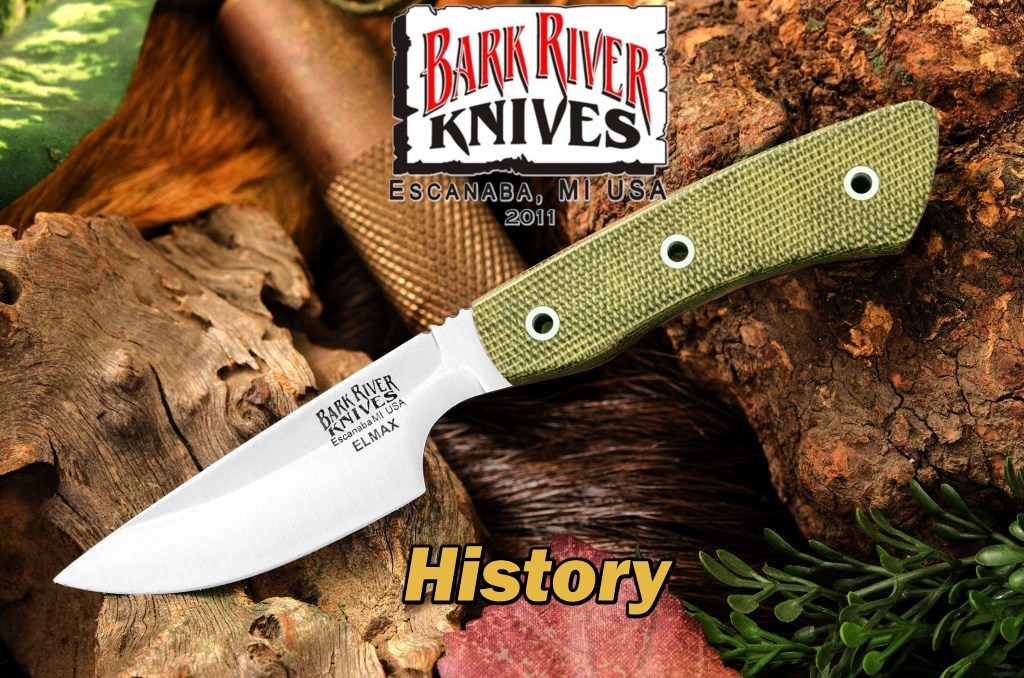
Bark River Knives is widely regarded as one of the most respected American knife manufacturers of the modern era. Known for meticulous craftsmanship, high-quality materials, and a commitment to traditional blade-making principles, Bark River represents a rare balance between old-world knife-making values and contemporary production methods. While the brand does not trace its lineage back centuries, its influence on modern fixed-blade knife culture is substantial, particularly among outdoorsmen, collectors, and knife enthusiasts who value performance, durability, and attention to detail.
Foundations in Custom Knife Making
The origins of Bark River Knives are closely tied to Mike Stewart, a lifelong knife enthusiast whose passion for blades began long before the company officially existed. Stewart entered the knife world as a collector and dealer, developing a deep understanding of what made a knife truly functional in real-world use. Through years of handling custom knives from respected makers, he gained an appreciation for geometry, heat treatment, and the subtle details that separate an average knife from an exceptional one.
This background shaped Stewart’s approach when Bark River Knives was founded in the early 2000s. Rather than attempting to compete with mass-market knife manufacturers, the company set out to produce knives that reflected the craftsmanship and performance of custom blades while remaining attainable for a wider audience.
Bark River Knives was established in Escanaba, Michigan, a region with a strong outdoor culture and historical ties to manufacturing. The company’s location played an important role in shaping its identity, drawing inspiration from the forests, rivers, and hunting traditions of the Upper Midwest.
A Philosophy Rooted in Performance
From the beginning, Bark River Knives adopted a clear philosophy: every knife should be built to perform its intended task exceptionally well. This focus on function over gimmicks set the brand apart in a market increasingly crowded with tactical aesthetics and trend-driven designs.
Bark River emphasized blade geometry as the foundation of performance. Rather than relying on extreme blade thickness or aggressive styling, the company focused on convex grinds, edge stability, and efficient cutting ability. Convex edges, while more difficult to produce consistently, offer excellent strength and cutting performance, making them well suited for outdoor and bushcraft applications.
This commitment to geometry required a higher level of skill and quality control, but it became a defining feature of the Bark River identity.
Materials and Heat Treatment
Bark River Knives gained widespread recognition for its use of premium blade steels and careful heat treatment processes. From early carbon steels to modern stainless and tool steels, the company consistently selected materials that balanced edge retention, toughness, and ease of maintenance.
Rather than chasing trends, Bark River focused on understanding how each steel behaved in real-world conditions. Extensive testing and refinement ensured that blades were heat-treated to achieve optimal performance for their intended use. This approach earned the trust of users who relied on their knives in demanding environments.
Handle materials were given equal consideration. Bark River became known for its use of natural materials such as stabilized wood, burl, and antler, as well as durable synthetics like Micarta. These materials were chosen not only for appearance, but for comfort, grip, and long-term durability.
Design Influences and Historical Inspiration
Although Bark River is a modern company, many of its designs are influenced by historical blade patterns. The company frequently references classic hunting knives, bushcraft tools, and utility blades from earlier eras, refining them with modern materials and manufacturing techniques.
This respect for traditional forms resonates strongly with enthusiasts who appreciate the timeless nature of well-designed tools. Bark River knives often feel familiar in hand, even when newly made, because their proportions and balance echo designs that have proven effective for generations.
Rather than reinventing the knife, Bark River focused on perfecting it.
Growth and Reputation Among Enthusiasts
As word spread about Bark River’s attention to detail and consistent quality, the brand quickly developed a loyal following. Knife enthusiasts, outdoorsmen, and collectors began seeking out Bark River models not only for use, but for long-term ownership.
Limited production runs and frequent variations in handle materials added to the appeal, creating a sense of individuality without sacrificing consistency in performance. Each knife maintained the same design intent, even as cosmetic elements varied.
Bark River also benefited from strong engagement with the knife community. Transparency regarding materials, heat treatment, and manufacturing decisions helped build trust, particularly in an industry where marketing claims often outpace reality.
Made in the USA Commitment
One of Bark River’s most defining characteristics is its commitment to American manufacturing. At a time when many knife companies shifted production overseas, Bark River chose to maintain domestic manufacturing despite higher costs.
This decision reinforced the brand’s identity as a premium American maker and appealed to customers who valued supporting U.S.-based craftsmanship. It also allowed Bark River to maintain tighter quality control, ensuring that each knife met its performance standards before leaving the factory.
The “Made in USA” label became more than a selling point; it became a core part of the brand’s philosophy.
Bark River in the Bushcraft Movement
Bark River Knives became especially prominent within the bushcraft community, where users prioritize efficiency, durability, and versatility. The company’s convex grinds and robust construction made its knives well suited for tasks such as carving, food preparation, fire making, and general camp work.
Rather than marketing heavily toward tactical or military applications, Bark River leaned into its strengths as an outdoor toolmaker. This positioning aligned the brand with users who valued skill-based tool use and traditional outdoor knowledge.
The result was a strong reputation among serious users who viewed their knives as essential tools rather than accessories.
Challenges and Consistency
Like any manufacturer committed to high standards, Bark River faced challenges related to scaling production while maintaining quality. The complexity of convex grinds, hand-finishing, and variable handle materials made mass production difficult.
However, the company consistently prioritized quality over volume. While this approach sometimes resulted in limited availability, it reinforced Bark River’s reputation for craftsmanship and reliability. Customers learned to expect consistency rather than constant new releases.
This disciplined approach helped the brand avoid many of the pitfalls that affect rapidly expanding knife companies.
Bark River as a Collector Brand
In addition to being highly regarded by users, Bark River knives have become collectible. Variations in handle materials, limited runs, and discontinued models contribute to long-term interest among collectors.
Unlike purely decorative knives, Bark River pieces maintain value because they are both functional and well made. Even heavily used knives are often appreciated for the honest wear that reflects their purpose.
This dual appeal as both tools and collectibles has helped sustain long-term demand for the brand.
Continuing Legacy in Modern Knife Making
Bark River Knives stands as an example of what modern knife manufacturing can achieve when guided by traditional principles. By focusing on geometry, materials, and real-world performance, the company has influenced both users and other makers within the industry.
Its success demonstrates that there is still strong demand for thoughtfully designed tools in an era dominated by fast production and disposable products. Bark River’s knives remind users that craftsmanship and performance are timeless values.
A Reputation Earned Through the Hand and the Field
Bark River Knives has earned its reputation not through aggressive marketing or fleeting trends, but through consistent performance and careful attention to detail. Each knife reflects a philosophy that values function, durability, and respect for the user.
While the brand may be relatively young compared to centuries-old cutlery traditions, its impact on modern knife culture is undeniable. Bark River stands as a bridge between custom craftsmanship and practical production, offering knives that feel purposeful, reliable, and enduring.
In a world of rapidly changing designs, Bark River Knives remains grounded in the idea that a great knife is defined not by novelty, but by how well it serves the hand that holds it.
 Knife History
Leave a comment