
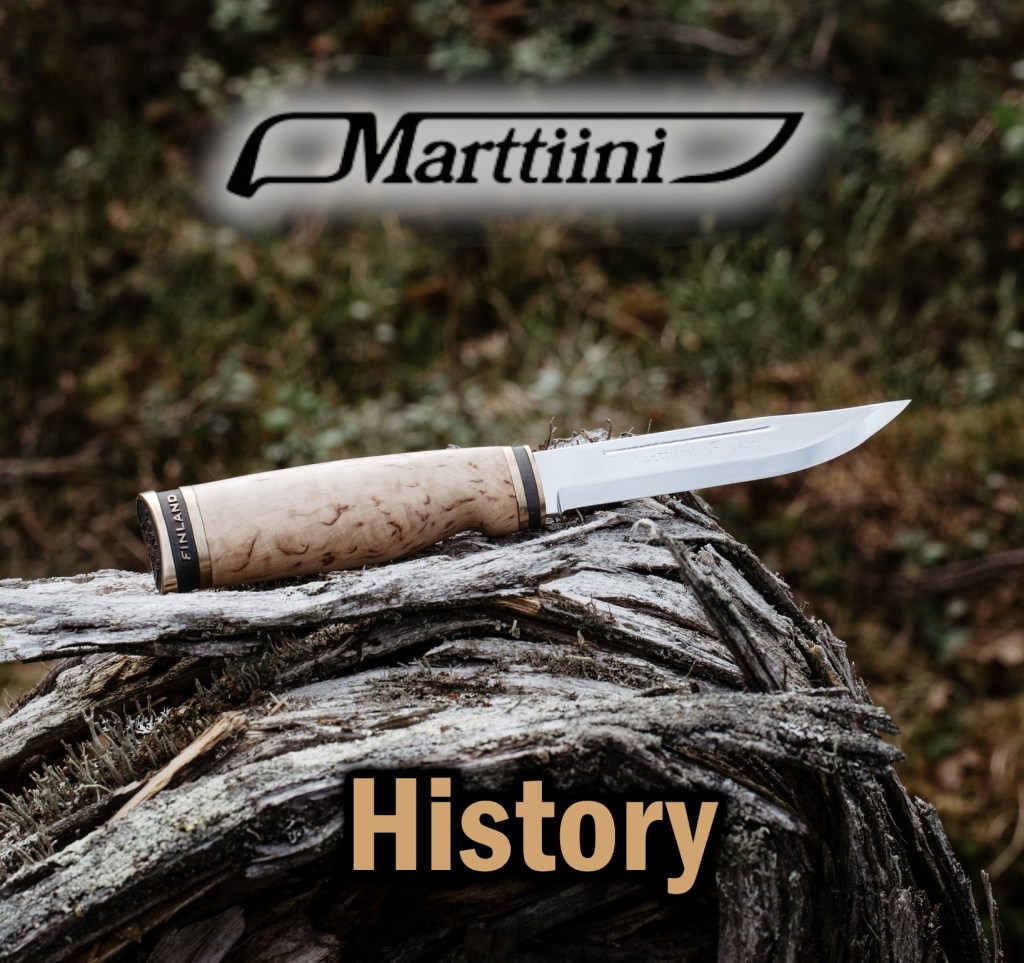
Marttiini knives are closely associated with the rugged landscapes and outdoor traditions of Finland. Known for their clean lines, practical designs, and strong connection to Nordic culture, Marttiini has become one of the most recognizable knife brands to emerge from Scandinavia. The company’s history reflects the demands of life in northern environments, where tools are expected to perform reliably in harsh conditions while remaining simple and elegant.
From its beginnings in a small Finnish workshop to its status as an internationally recognized brand, Marttiini has remained deeply rooted in regional craftsmanship. Its knives are not designed to follow trends, but to serve as dependable tools shaped by generations of experience in the outdoors.
Finland’s Knife-Making Heritage
Knife making in Finland has long been influenced by geography and lifestyle. In a country defined by forests, lakes, and long winters, knives were essential tools for hunting, fishing, woodworking, and everyday survival. Traditional Finnish knives, often referred to as puukko, were typically small, fixed-blade tools with simple handles and strong, versatile blades.
The puukko was more than a tool; it was a symbol of self-reliance and craftsmanship. These knives emphasized function over decoration, with designs refined over centuries of use. This cultural foundation would shape the philosophy behind Marttiini knives and distinguish them from more ornate European blades.
The Founding of Marttiini
Marttiini was founded in 1928 by Janne Marttiini in the town of Rovaniemi, located in Finnish Lapland near the Arctic Circle. Marttiini began making knives at a young age, learning traditional techniques that had been passed down through generations.
Starting with a small workshop, Marttiini focused on producing knives that reflected the practical needs of people living in northern Finland. His early knives adhered closely to the puukko tradition, featuring carbon steel blades, simple wooden handles, and leather sheaths designed for everyday carry.
Even in these early years, Marttiini’s knives gained a reputation for quality and reliability, helping the brand grow steadily within Finland.
Building a Reputation in Harsh Conditions
Lapland’s environment placed unique demands on tools. Cold temperatures, moisture, and heavy use meant that knives had to be durable, easy to maintain, and dependable. Marttiini knives were shaped by these realities, prioritizing strong blade geometry and comfortable handles that could be used with gloves or cold hands.
The company’s proximity to Finland’s northern wilderness influenced not only design, but testing. Knives were used in real-world conditions, from processing game to carving wood for shelters and tools. This practical feedback loop allowed Marttiini to refine designs organically rather than through abstract engineering alone.
This connection to real use would remain a defining characteristic of the brand.
Early Growth and National Recognition
As Marttiini knives gained popularity within Finland, the company expanded production while maintaining traditional design principles. By the mid-20th century, Marttiini had become a well-known name domestically, with knives commonly used by hunters, fishermen, and outdoorsmen.
The brand’s clean, functional aesthetic appealed to a wide audience, and Marttiini knives were often given as gifts or passed down within families. This cultural integration helped cement Marttiini’s status as a national icon rather than just a commercial brand.
The company’s growth was gradual and deliberate, reflecting the values of consistency and craftsmanship.
Expanding Beyond Finland
In the decades following World War II, interest in Scandinavian design grew internationally. Marttiini knives began reaching markets outside Finland, particularly in Europe and later North America. The knives’ simplicity and functionality stood in contrast to more ornate or tactical designs popular elsewhere.
International consumers were drawn to Marttiini’s authenticity and connection to Nordic tradition. Rather than adapting designs to suit foreign trends, the company largely preserved its core aesthetic, allowing the knives to represent Finnish culture abroad.
This authenticity became a major strength as global interest in traditional outdoor tools increased.
Design Philosophy and the Puukko Tradition
At the heart of Marttiini’s identity is its adherence to the puukko tradition. Marttiini knives typically feature narrow blades with strong tips, optimized for carving, slicing, and general utility. Handles are shaped for comfort and control, often made from birch or other natural materials associated with Finnish craftsmanship.
While some models incorporate modern materials or decorative elements, the underlying design principles remain rooted in practicality. The knives are balanced, intuitive to use, and easy to maintain in the field.
This restraint has allowed Marttiini designs to remain relevant across generations.
Modernization and Material Innovation
As manufacturing technology evolved, Marttiini incorporated modern processes while preserving traditional design. The company expanded its use of stainless steel to improve corrosion resistance, particularly for fishing and outdoor use in wet environments.
Despite these changes, Marttiini avoided excessive complexity. New materials were adopted thoughtfully, ensuring they enhanced performance without compromising the brand’s identity. Heat treatment and blade geometry remained focused on reliability rather than extreme hardness or novelty.
This balanced approach helped Marttiini appeal to both traditionalists and modern users.
Marttiini Knives and Finnish National Identity
Marttiini knives have often been associated with Finnish national identity and culture. The brand has produced ceremonial and presentation knives, some of which have been gifted to dignitaries and public figures.
This association reflects the broader cultural significance of the puukko in Finland, where knives are viewed as symbols of craftsmanship, independence, and connection to nature. Marttiini’s role in preserving and promoting this tradition has elevated the brand beyond a typical commercial manufacturer.
The knives serve as tangible representations of Finnish heritage.
Marttiini in the Contemporary Knife Market
Today, Marttiini operates in a global knife market that includes highly specialized tactical knives, minimalist EDC designs, and collector-focused pieces. Despite this diversity, Marttiini has remained consistent in its focus on outdoor and utility knives.
The brand continues to appeal to users who value practical design, natural materials, and historical continuity. While Marttiini has expanded its product range, the core identity remains rooted in the puukko tradition and Finnish craftsmanship.
This clarity has helped the company maintain relevance without sacrificing authenticity.
Collector Interest and Enduring Appeal
Marttiini knives are appreciated not only as tools but as cultural artifacts. Collectors value older models for their craftsmanship and connection to Finnish history, while newer knives are often purchased for actual outdoor use.
This dual appeal reflects Marttiini’s success in balancing tradition and practicality. The knives are not overly stylized or trend-driven, which allows them to age gracefully and retain long-term appeal.
For many enthusiasts, a Marttiini knife represents reliability, heritage, and quiet confidence.
A Legacy Forged in the North
The history of Marttiini knives is inseparable from the landscape and culture of Finland. From its beginnings in a small Lapland workshop to its international recognition, the brand has remained true to the principles of simplicity, function, and craftsmanship.
Rather than chasing trends or reinventing itself repeatedly, Marttiini has focused on refining what already works. Its knives reflect centuries of Nordic knife-making tradition, shaped by real-world use and a deep respect for the outdoors.
As long as people continue to value dependable tools and authentic craftsmanship, Marttiini knives will remain an enduring part of knife history, forged in the North and trusted far beyond it.
 Knife History
Leave a comment