
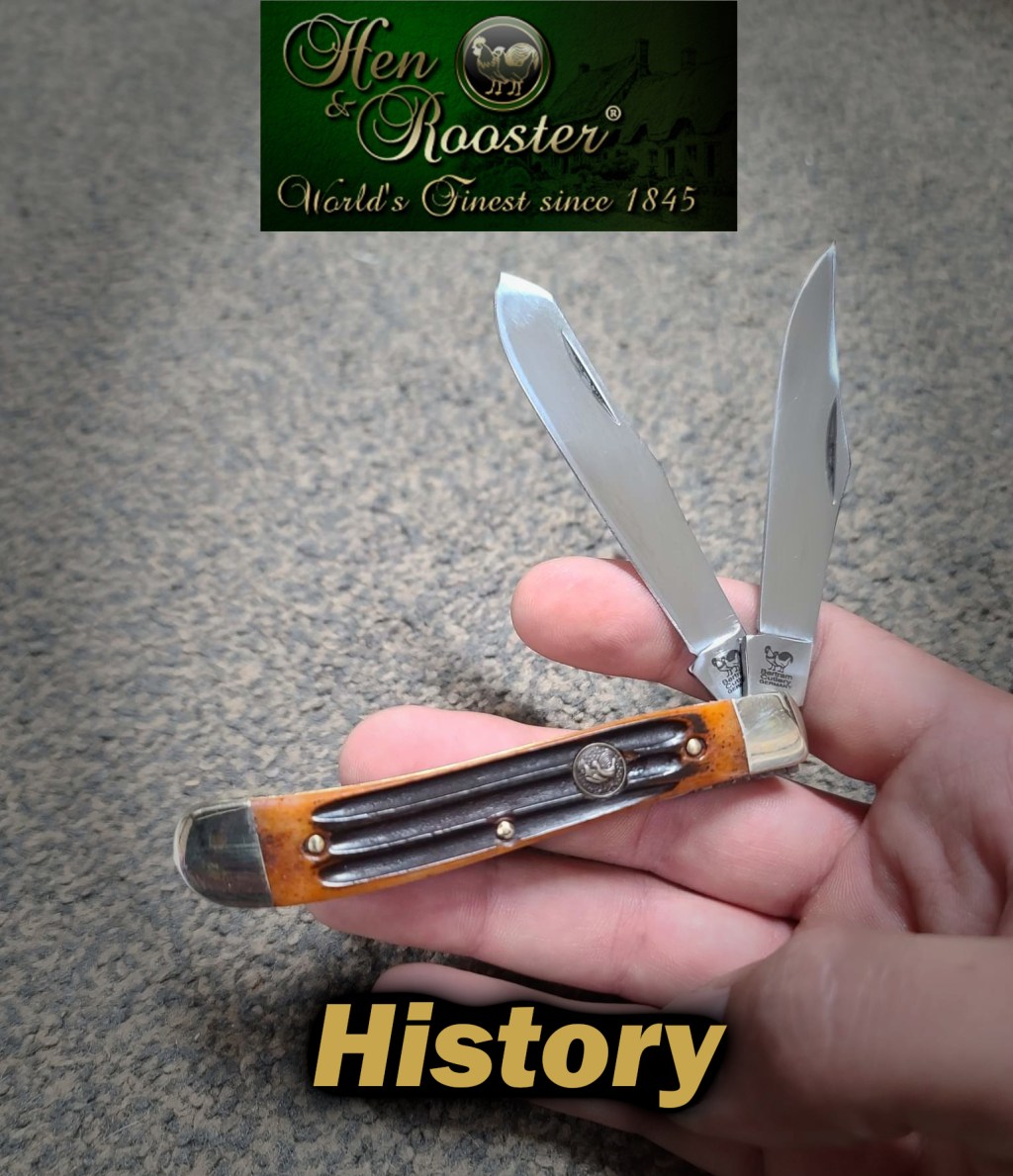
Hen & Rooster knives occupy a unique place in the knife world. Known for their distinctive rooster logo and traditional patterns, the brand has bridged centuries of European craftsmanship and decades of American collector culture. While the knife industry has changed dramatically since Hen & Rooster’s origins, the brand’s enduring appeal lies in its connection to classic knife forms, decorative artistry, and long-standing recognition among collectors.
The history of Hen & Rooster knives is not a single uninterrupted story, but rather a reflection of broader shifts in global manufacturing, trade, and consumer demand. From its roots in Germany’s famed blade-making region to its later rise in the United States, Hen & Rooster represents a blend of tradition, adaptation, and brand identity that continues to resonate today.
Solingen and the Origins of German Blade Craft
To understand Hen & Rooster knives, it is essential to understand Solingen, Germany, often referred to as the “City of Blades.” For centuries, Solingen has been synonymous with high-quality edged tools, producing swords, knives, and cutlery that were exported throughout Europe and beyond. Strict trade regulations and guild traditions helped ensure consistent standards and protected the reputation of Solingen-made blades.
Hen & Rooster emerged from this environment, rooted in the same traditions that shaped many respected German knife brands. Early production emphasized hand craftsmanship, careful grinding, and decorative flourishes that reflected both utility and artistry. These knives were made during a period when pocket knives were everyday tools, carried by workers, tradesmen, and outdoorsmen alike.
The rooster emblem became a recognizable mark of origin and quality, distinguishing the brand from others produced in the region.
Early Hen & Rooster Production and Brand Identity
Early Hen & Rooster knives were primarily traditional slip joint pocket knives, featuring familiar patterns such as stockman, trapper, congress, and whittler designs. These patterns were practical, well understood by users, and widely accepted in European and American markets.
What set Hen & Rooster apart was its attention to visual detail. Many early knives featured elaborately etched blades, polished bolsters, and natural handle materials such as stag and bone. These details elevated the knives beyond simple tools, making them appealing keepsakes as well as everyday companions.
This blend of function and ornamentation would remain central to the Hen & Rooster identity for decades.
Expansion Into International Markets
As trade expanded in the late 19th and early 20th centuries, German-made knives found a strong audience in the United States. American consumers valued Solingen blades for their craftsmanship and reliability, and Hen & Rooster knives became particularly popular among collectors and everyday users.
The rooster trademark resonated with American buyers, serving as an easily recognizable symbol on store shelves and in catalogs. Over time, Hen & Rooster developed a strong presence in the U.S. market, even as many competing brands struggled to establish name recognition overseas.
This international appeal helped solidify Hen & Rooster as more than a regional German brand.
Post-War Changes and Industry Shifts
World War II brought major disruptions to German manufacturing, including knife production in Solingen. After the war, the global knife industry entered a period of transformation. Advances in manufacturing technology, shifting labor costs, and changing consumer expectations reshaped how knives were made and sold.
During this period, Hen & Rooster knives continued to be associated with traditional styling, but production methods evolved. While early knives relied heavily on hand labor, later production incorporated more modern processes to meet growing demand.
Despite these changes, the brand maintained its focus on classic patterns and decorative elements, preserving its connection to heritage even as the industry modernized.
Hen & Rooster and the Rise of Knife Collecting
By the mid-to-late 20th century, knife collecting had become a well-established hobby, particularly in the United States. Hen & Rooster knives found a strong foothold in this emerging collector market due to their visual appeal, recognizable branding, and traditional designs.
Limited runs, elaborate blade etching, and premium handle materials made many Hen & Rooster knives especially attractive to collectors. Rather than chasing modern tactical trends, the brand leaned into its historical identity, offering knives that felt nostalgic and ornamental.
This collector-driven popularity helped keep the brand relevant during a time when many traditional knife companies struggled to adapt.
Manufacturing Transitions and Brand Continuity
Like many legacy knife brands, Hen & Rooster experienced changes in ownership and manufacturing locations over time. As global manufacturing shifted, production moved away from Solingen, reflecting broader industry trends rather than a singular business decision.
While this transition marked a departure from the brand’s German origins, Hen & Rooster retained its emphasis on traditional patterns and decorative features. The rooster logo, blade etching, and familiar designs continued to anchor the brand’s identity, providing continuity despite changes behind the scenes.
For many collectors, Hen & Rooster remained recognizable and consistent even as the manufacturing landscape evolved.
Traditional Patterns and Aesthetic Appeal
Hen & Rooster knives have long been associated with classic pocket knife patterns and ornamental finishes. These knives are often appreciated not only for their function, but for their craftsmanship and visual presentation.
Handle materials such as stag, bone, and synthetic pearl have been central to the brand’s appeal. Blade etching, particularly with the rooster emblem and decorative motifs, became a signature element that set Hen & Rooster knives apart from plainer competitors.
This focus on aesthetics helped define the brand as one rooted in tradition rather than innovation for its own sake.
Hen & Rooster in the Modern Knife Market
Today, Hen & Rooster occupies a niche that appeals to collectors and enthusiasts of traditional pocket knives. While the modern knife market includes a wide array of tactical, minimalist, and high-performance designs, there remains strong interest in classic forms that reflect history and craftsmanship.
Hen & Rooster continues to serve this audience by offering knives that emphasize heritage and familiarity. The brand’s long-standing association with traditional patterns makes it especially appealing to those who value nostalgia and display-worthy designs.
Rather than competing directly with modern tactical brands, Hen & Rooster remains firmly grounded in its historical identity.
Collector Perception and Lasting Recognition
Among collectors, Hen & Rooster knives are often appreciated for their visual character, brand history, and connection to traditional European knife making. Vintage Solingen-made examples, in particular, are sought after for their craftsmanship and historical significance.
Even newer production pieces retain elements that collectors recognize and appreciate, such as etched blades and classic silhouettes. This continuity has allowed Hen & Rooster to maintain relevance across generations of knife enthusiasts.
The brand’s recognition is built less on innovation and more on consistency and tradition. Today, many of their knives are made in Spain and Pakistan.
A Brand Defined by Tradition and Adaptation
The history of Hen & Rooster knives is a story of tradition carried through changing times. From its origins in Solingen to its popularity among American collectors, the brand has remained closely associated with classic knife forms and decorative craftsmanship.
While the knife industry has evolved dramatically, Hen & Rooster has maintained its identity by honoring its roots rather than reinventing itself entirely. Its knives serve as reminders of an era when pocket knives were both tools and personal expressions of craftsmanship.
For collectors and enthusiasts who value heritage, Hen & Rooster remains a recognizable and enduring name in knife history.
 Knife History
Leave a comment