
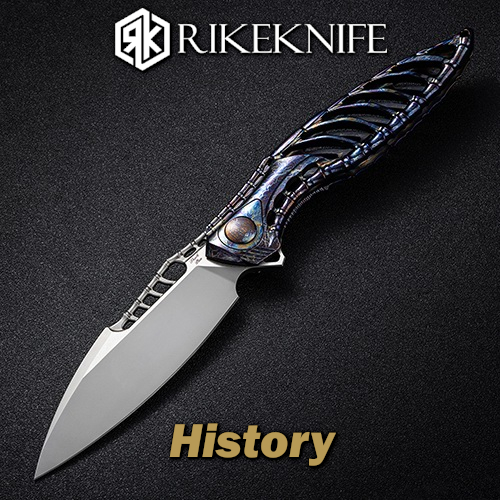
Rike Knife represents a significant chapter in the modern evolution of the global knife industry. Emerging during a period when Chinese knifemaking was rapidly redefining its reputation, Rike Knife became known for its advanced machining, premium materials, and meticulous attention to detail. Rather than competing solely on price, Rike positioned itself as a maker capable of producing high-end folding knives that could stand alongside respected American and European brands.
The company’s growth reflects a broader transformation in the knife world, where advanced manufacturing technology, global design collaboration, and increasingly discerning consumers reshaped expectations of what a production knife could be.
The Changing Landscape of Chinese Knifemaking
For decades, knives produced in China were widely associated with low-cost manufacturing and inconsistent quality. While many factories focused on mass-market volume, a new generation of manufacturers began investing in CNC machining, improved heat treatment, and better quality control in the early 2000s. This shift laid the foundation for companies like Rike Knife to emerge.
As global demand grew for affordable yet well-made knives, Chinese manufacturers recognized an opportunity to move beyond entry-level products. Rike Knife was established during this transitional period, with the goal of producing knives that emphasized precision, materials, and design rather than sheer volume.
This change in mindset would become central to the brand’s identity.
The Founding of Rike Knife
Rike Knife was founded with a clear focus on engineering-driven design and in-house production. From the beginning, the company invested heavily in CNC machining equipment, allowing for tight tolerances, consistent fit, and complex geometries that were difficult to achieve through traditional methods.
Rather than imitating existing designs, Rike sought to create knives that reflected a modern, technical aesthetic. Clean lines, sculpted handles, and carefully tuned action became defining characteristics of early Rike models. This emphasis on manufacturing capability allowed the brand to stand out among a crowded field of emerging knife companies.
Rike’s early success was driven not by aggressive marketing, but by the quality of the knives themselves.
Early Designs and Manufacturing Philosophy
Rike Knife initially focused on folding knives, particularly titanium frame lock and liner lock designs. These knives showcased the company’s strengths in machining and finishing, often featuring intricate handle milling, chamfered edges, and smooth bearing systems.
Blade steel selection played an important role as well. Rike adopted premium stainless steels such as CPM-S35VN and later CPM-S45VN and CPM-S90V, signaling a commitment to performance materials that were already well respected among knife enthusiasts.
Just as important as steel choice was Rike’s approach to fit and finish. Smooth opening action, precise lockup, and consistent grind symmetry became hallmarks of the brand.
Collaboration with Designers and the Global Knife Community
One of Rike Knife’s most important strategic decisions was its openness to collaboration. As the global knife community became increasingly interconnected through online forums and social media, Rike began working with well-known knife designers from around the world.
These collaborations allowed Rike to blend international design influences with its manufacturing expertise. Designers benefited from Rike’s advanced production capabilities, while Rike gained credibility and exposure among enthusiasts who followed those designers closely.
This collaborative approach helped Rike avoid being perceived as just another factory brand and positioned it as a serious participant in the premium knife market.
The Rise of Rike as a Premium Production Brand
By the mid-2010s, Rike Knife had established itself as a premium production brand rather than a budget manufacturer. Its knives were often priced higher than typical imported models, reflecting the materials, machining time, and finishing involved.
Collectors and users began to recognize that Rike knives offered features traditionally associated with custom or mid-tech knives, such as internal milling, complex handle contours, and refined ergonomics. This perception helped Rike compete in a market that increasingly valued craftsmanship and performance over brand origin alone.
The company’s willingness to invest in quality helped redefine expectations for Chinese-made knives.
Rike Knife and the Role of OEM Manufacturing
In addition to producing knives under its own name, Rike Knife became known for its role as an original equipment manufacturer for other brands. This OEM work further demonstrated the company’s technical capability and manufacturing consistency.
By producing knives for established brands and designers, Rike gained valuable experience and visibility while maintaining strict quality standards. This behind-the-scenes role contributed to the company’s reputation among industry insiders and reinforced its standing as a high-end manufacturer.
OEM production also helped Rike refine processes that would later benefit its own branded knives.
Design Identity and Aesthetic Direction
Rike Knife developed a distinct design language rooted in modern industrial aesthetics. Many Rike knives feature angular lines balanced by smooth curves, creating a technical yet ergonomic appearance. Handle materials such as titanium, carbon fiber, and zirconium became common, often paired with detailed machining and subtle finishing touches.
Rather than chasing trends, Rike focused on refining a recognizable style that emphasized precision and symmetry. This approach allowed the brand to build a consistent identity across its lineup, making Rike knives immediately recognizable to knowledgeable collectors.
The design philosophy reflected confidence in the company’s manufacturing strengths.
Expanding Recognition in Western Markets
As online knife communities grew and international shipping became more accessible, Rike Knife gained increasing recognition in Western markets, particularly in the United States and Europe. Reviews frequently highlighted the brand’s excellent fit and finish, smooth action, and strong value proposition in the premium production category.
This growing acceptance was part of a larger shift in attitudes toward imported knives. Enthusiasts began judging knives based on performance and craftsmanship rather than country of origin alone. Rike benefited directly from this evolution, earning respect through consistency rather than hype.
The brand’s transparency and willingness to engage with customers further strengthened its reputation.
Challenges and Market Competition
The success of Rike Knife coincided with increased competition from other high-end Chinese manufacturers. Brands such as WE Knife, Reate, and Bestech entered the same space, each offering premium materials and advanced machining.
In response, Rike continued to refine its offerings rather than engage in price wars. The company emphasized distinctive designs, careful finishing, and limited production runs to maintain exclusivity and quality.
This disciplined approach allowed Rike to remain relevant in a crowded and rapidly evolving market.
Rike Knife Today
Today, Rike Knife is regarded as one of the established names in high-end Chinese knife manufacturing. Its products are sought after by collectors and users who appreciate refined engineering, modern aesthetics, and consistent quality.
The company continues to balance its own branded knives with OEM work, leveraging its manufacturing expertise across multiple segments of the industry. While trends and materials continue to evolve, Rike’s commitment to precision machining and thoughtful design remains unchanged.
A Lasting Impact on Modern Knifemaking
The history of Rike Knife mirrors the broader transformation of the knife industry in the 21st century. By prioritizing quality, collaboration, and manufacturing excellence, Rike helped challenge long-held assumptions about where premium knives could be made.
Rather than relying on tradition alone, Rike embraced modern technology and global design partnerships to build a brand rooted in performance and innovation. Its success demonstrates that craftsmanship is defined not by geography, but by discipline, skill, and attention to detail.
As the knife industry continues to evolve, Rike Knife stands as a clear example of how precision manufacturing and thoughtful design can reshape perceptions and earn lasting respect among enthusiasts worldwide.
 Knife History
Leave a comment