
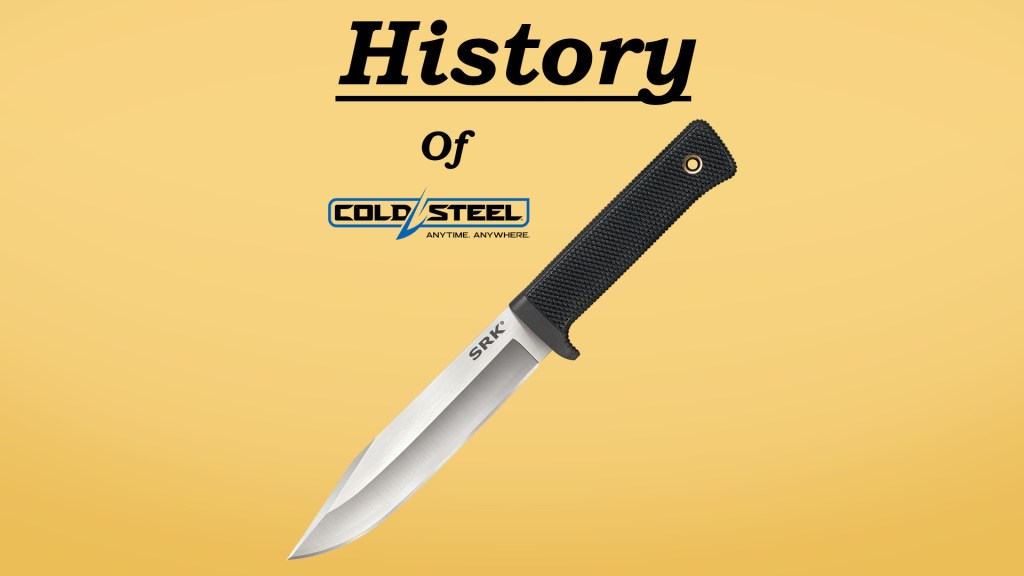
Cold Steel is a name synonymous with toughness, innovation, and high-performance knives and tools. Since its founding, the company has built a reputation for producing some of the strongest, most durable blades in the industry. Known for pushing the limits of knife design and materials, Cold Steel has remained at the forefront of knife-making, catering to hunters, outdoorsmen, self-defense practitioners, and military personnel. In this article, we explore the rich history, groundbreaking innovations, and lasting impact of Cold Steel.
The Founding of Cold Steel
Cold Steel was founded in 1980 by Lynn C. Thompson, a passionate martial artist and weapons expert who sought to create knives that could withstand the toughest conditions. Based in California, the company started with a simple but ambitious goal: to make the world’s strongest, sharpest knives.
From the beginning, Cold Steel distinguished itself by prioritizing durability, cutting power, and reliability over traditional knife aesthetics. The brand quickly gained attention for its aggressive marketing campaigns, including dramatic demonstrations of blade strength, cutting power, and edge retention.
The Birth of the Tanto Blade Craze
One of Cold Steel’s first major innovations was the Tanto blade design, inspired by traditional Japanese swords. While Tanto-style blades had existed for centuries, Cold Steel was instrumental in popularizing them in the Western market. The reinforced tip, excellent piercing capability, and robust construction made the Tanto blade a favorite among tactical users and law enforcement professionals.
With models like the Recon Tanto, Cold Steel solidified its reputation as an innovator in the knife industry. The design became so popular that other manufacturers soon followed suit, incorporating Tanto-style blades into their own product lines.
Pioneering the Tri-Ad Lock
Cold Steel revolutionized the folding knife industry with the introduction of the Tri-Ad Lock, a locking mechanism designed by custom knifemaker Andrew Demko. This innovative system dramatically increased the strength of folding knives, making them nearly as durable as fixed-blade knives.
The Tri-Ad Lock became a staple feature in Cold Steel’s most popular folding knives, including the Recon 1, American Lawman, and SR1. By setting a new standard for locking mechanisms, Cold Steel’s Tri-Ad Lock remains one of the most trusted systems in the industry today.
Expanding the Product Line
As Cold Steel grew, so did its product offerings. While knives remained the brand’s core focus, the company expanded into other edged weapons and tools, including machetes, swords, axes, tomahawks, and self-defense weapons like canes and batons. These products were designed with the same commitment to strength and reliability that defined Cold Steel’s knives.
Cold Steel’s Extreme Testing and Marketing
One of the key factors behind Cold Steel’s success is its unorthodox marketing approach. Lynn C. Thompson himself frequently appeared in promotional videos showcasing the power and durability of Cold Steel products. These videos included dramatic demonstrations such as slicing through hanging meat and whole animal carcasses to demonstrate sharpness, stabbing through car hoods and steel drums to highlight piercing power, and chopping through thick rope, bamboo, and cinder blocks to showcase durability.
These over-the-top tests not only captured the attention of knife enthusiasts but also reinforced Cold Steel’s reputation as a brand that delivers real-world performance over mere aesthetics.
Military and Tactical Influence
Cold Steel has long been favored by military personnel, law enforcement officers, and self-defense practitioners. The brand’s focus on strength, reliability, and combat effectiveness made its knives and tools a staple in military kits worldwide.
Some of the most well-known tactical knives from Cold Steel include the SRK (Survival Rescue Knife), issued to Navy SEALs and special forces for survival and field use, the Kobun, a lightweight, fixed-blade Tanto designed for concealed carry, and the Voyager Series, large, high-performance folding knives built for tactical applications.
The Acquisition by GSM Outdoors
In 2020, Cold Steel underwent a significant change when it was acquired by GSM Outdoors, a company that owns multiple outdoor and tactical brands. This transition marked the end of an era for Cold Steel under Lynn Thompson’s leadership.
While some loyal fans were concerned that the acquisition might dilute Cold Steel’s legacy, the brand has continued to produce high-quality knives and tools, staying true to its core values of durability, strength, and innovation.
The Future of Cold Steel
With GSM Outdoors now overseeing the brand, Cold Steel is expected to continue expanding its product line while maintaining the toughness and reliability that made it famous. Future trends for the brand may include enhanced materials, new designs through collaborations with top knife designers, and improved production processes to maintain quality while increasing efficiency and affordability.
Despite changes in ownership, Cold Steel’s legacy as a maker of ultra-tough, no-nonsense knives remains intact.
A Brand Built on Strength
Cold Steel’s journey from a small California-based knife company to a globally recognized brand is a testament to innovation, resilience, and commitment to quality. Through its pioneering designs, extreme durability, and aggressive marketing, Cold Steel has carved out a unique place in the knife industry.
For those who demand strength, reliability, and a bit of over-the-top toughness in their blades, Cold Steel continues to be one of the most respected names in the business. Whether you’re a hunter, soldier, survivalist, or everyday carry enthusiast, Cold Steel knives remain a benchmark for durability and performance.
 Knife History
Leave a comment