
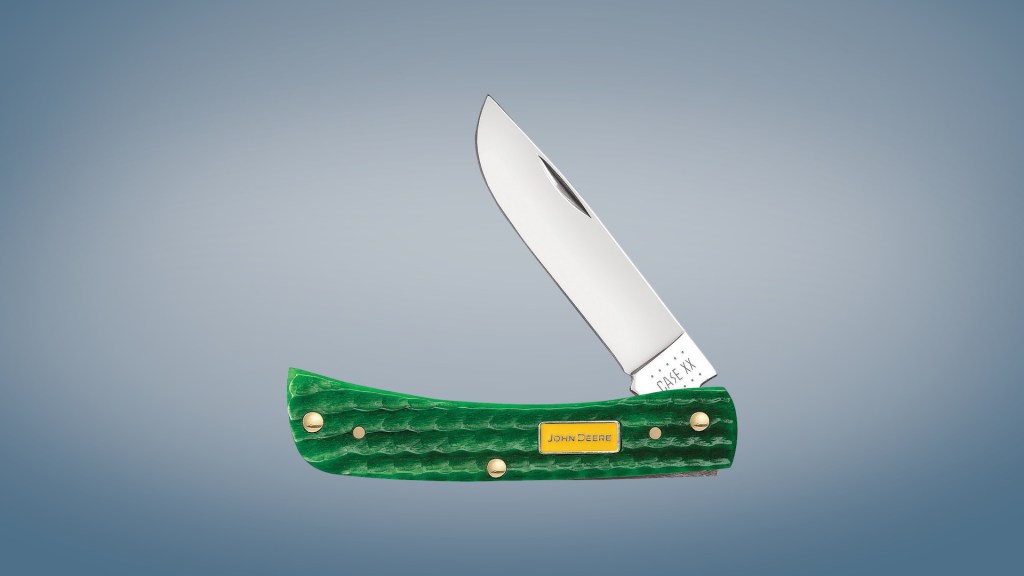
Pocket knives have played an essential role in daily life for centuries, and among the most reliable and straightforward designs is the Sodbuster. A knife with deep agricultural roots, the Sodbuster is a testament to functionality and durability. It’s simple yet effective design has made it a favorite among farmers, ranchers, and laborers. Let’s explore the history of the Sodbuster knife, tracing its origins, evolution, and continued relevance in the modern world.
Origins: The Birth of a Working Man’s Knife
The Sodbuster pocket knife has its origins in the 19th century, primarily in Europe. Peasants, farmers, and tradesmen needed a practical and robust tool for everyday tasks, and thus, simple folding knives with durable carbon steel blades were developed. These knives were known by various names, but they all shared common characteristics: a single-blade slip joint mechanism, a comfortable handle, and a blade suitable for heavy-duty work.
One of the earliest influences on the Sodbuster design was the “Peasant Knife” or “Arbeitsmesser” in Germany, which translates to “work knife.” This style of knife had been used for generations, primarily by those working in agriculture and rural trades. It was easy to maintain, inexpensive to produce, and highly effective for a wide range of tasks, from cutting rope to processing food.
The Sodbuster Name and Its American Roots
While the Sodbuster knife has European origins, it found a new identity in the United States. The term “sodbuster” was originally a nickname for farmers and homesteaders who settled the Great Plains during the late 19th and early 20th centuries. These pioneers worked tirelessly to break the tough sod and cultivate farmland, often relying on simple yet durable tools to get the job done.
During the mid-20th century, American knife manufacturers adopted the Sodbuster name and refined the design to cater to blue-collar workers, ranchers, and farmers. Case Knives, one of the most well-known American knife manufacturers, popularized the Sodbuster style in the 1960s. Their design featured a large, single-blade folding knife with a non-locking slip joint mechanism, a simple handle made of synthetic materials or wood, and a curved, ergonomic shape that fit comfortably in the hand. Case’s “Sodbuster” and “Sodbuster Jr.” models remain some of the most recognizable iterations of the knife today.
Design Features: Simplicity and Functionality
The enduring popularity of the Sodbuster pocket knife lies in its utilitarian design. Unlike more complex knives with multiple blades and intricate locking mechanisms, the Sodbuster follows a minimalist approach, focusing on practicality and reliability.
Blade Design
-Typically features a drop point or skinner-style blade, making it versatile for slicing, cutting, and skinning.
-Traditionally made from high-carbon steel for superior edge retention and ease of sharpening, though stainless steel options are also available.
-The absence of a locking mechanism means the blade operates on a slip joint, held open by spring tension, making it easy to open and close.
-A strong backspring provides enough resistance to keep the blade open during use, but it can be folded back safely when needed.
Handle Construction
-The handle is often made of durable materials such as Delrin (a synthetic resin), wood, bone, or even composite materials.
-Ergonomically shaped to fit comfortably in the user’s hand, reducing fatigue during prolonged use.
The Role of Sodbuster Knives in Everyday Life
For over a century, Sodbuster knives have been a staple for farmers, ranchers, and laborers. They are ideal for various tasks, including:
-Cutting twine, rope, and baling wire
-Harvesting vegetables or processing livestock feed
-Whittling and carving wood
-Opening packages and general utility tasks
-Preparing food while on the go
Their affordability and practicality have made them an essential tool for anyone who needs a reliable cutting instrument. Unlike collectible knives with elaborate designs, Sodbusters are built to be used daily and withstand years of wear and tear.
The Modern Sodbuster: A Legacy That Endures
Despite advancements in knife technology and the rise of high-end tactical and EDC (everyday carry) knives, the Sodbuster remains a favorite among traditionalists and working-class users. Many knife manufacturers continue to produce Sodbuster-style knives, staying true to the original design while incorporating modern materials and production techniques.
Notable Brands and Models
Several knife makers have contributed to the enduring legacy of the Sodbuster:
–Case Knives: Their “Sodbuster” and “Sodbuster Jr.” models are iconic in the traditional knife world.
–Otter-Messer: A German brand producing classic “Arbeitsmesser” that resemble early Sodbuster designs.
–Rough Ryder: Offers budget-friendly Sodbuster knives with various handle materials.
–Boker: Manufactures high-quality Sodbuster-style knives, including their “Boker Plus” series with modern enhancements.
Collectibility and Custom Variants
Though designed as a working knife, Sodbusters have become collectible in recent years. Limited edition models, custom-made versions with exotic handle materials, and historical reproductions have attracted knife enthusiasts. Some craftsmen even create bespoke Sodbuster knives with premium materials like Damascus steel, stag handles, and brass liners, elevating the humble working knife into a piece of functional art.
A Timeless Classic
The Sodbuster pocket knife stands as a symbol of resilience, simplicity, and reliability. From its European roots to its American evolution, it has served generations of workers, proving that a well-made tool doesn’t need to be complicated to be effective. Whether carried in the pocket of a farmer, a craftsman, or a collector, the Sodbuster remains a beloved and indispensable companion.
As knife technology continues to advance, the Sodbuster’s legacy endures, proving that some designs are simply too good to fade into history. Whether you need a dependable work knife or a piece of tradition in your pocket, the Sodbuster remains a timeless choice.
 Knife History
Leave a comment