
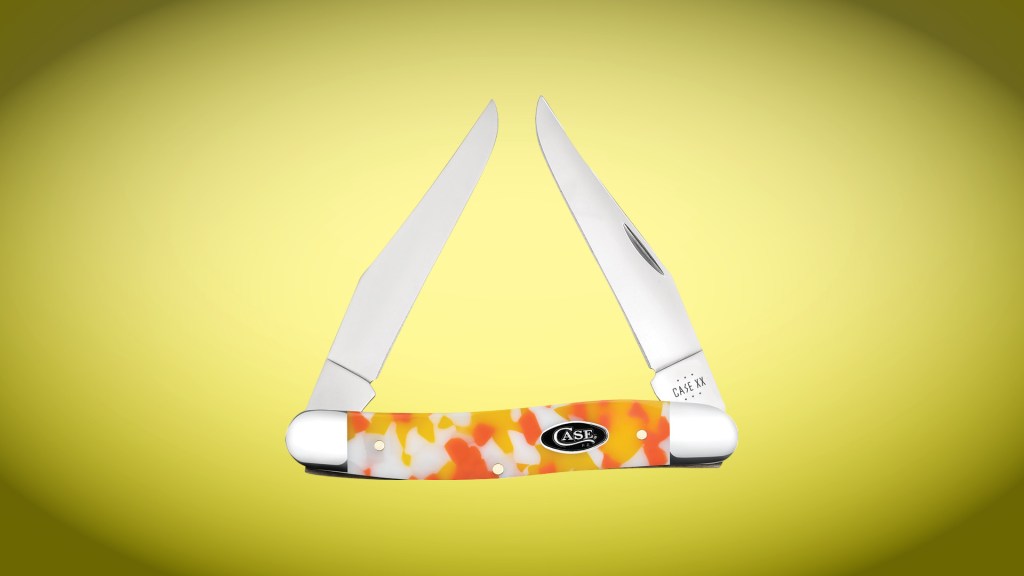
Pocket knives have long been an essential tool for hunters, trappers, and outdoorsmen. Among the many styles of folding knives, the muskrat pocket knife has earned a special place in the hands of those who value precision and reliability. With its unique design and rich history, the muskrat knife has remained a favorite for generations. In this article, we explore the origins, development, and continued popularity of muskrat pocket knives.
Origins of the Muskrat Pocket Knife
The muskrat pocket knife, often referred to as simply a “muskrat,” has its roots in the broader category of traditional trapper knives. Trappers and hunters of the 19th and early 20th centuries needed dependable tools to skin and process fur-bearing animals. One of the most challenging aspects of skinning smaller game, such as muskrats, was achieving precise cuts without damaging the valuable fur. This need led to the development of specialized knives with dual blades, which would allow for continuous cutting without frequent sharpening.
The muskrat knife is a direct evolution of the classic trapper knife, which typically features a clip-point and spey blade. However, the muskrat knife stands out due to its two identical, slim clip-point blades. These twin blades provide an extended cutting edge, allowing trappers to switch between blades as one dulls, thereby maintaining efficiency in the field.
Early Manufacturing and Adoption
During the early 20th century, American knife manufacturers recognized the growing demand for specialized trapping knives. Companies such as Case, Queen Cutlery, and Schrade began producing muskrat knives to cater to hunters and trappers. The muskrat design was particularly popular in North America, where fur trapping was a significant industry.
Knife makers quickly refined the design, ensuring that the muskrat pocket knife featured durable handle materials such as bone, wood, and later, synthetic composites. The combination of high-carbon steel and stainless steel blades provided an optimal balance between sharpness and corrosion resistance. By the mid-1900s, muskrat knives were a staple in the kits of professional trappers and outdoor enthusiasts alike.
Design and Functionality
The defining feature of the muskrat pocket knife is its dual clip-point blades, both of which fold into the handle on opposite ends. This symmetrical design serves several practical purposes:
–Extended Usability: Having two blades means a trapper can switch to a fresh edge when one becomes dull.
–Precision Cutting: The slim clip-point blades allow for intricate cutting, making them ideal for skinning small game.
–Compact and Portable: Unlike fixed-blade knives, the folding design makes the muskrat pocket knife easy to carry in a pocket or pack.
–Versatility: While designed for trapping, muskrat knives are also excellent for general outdoor tasks such as carving, whittling, and light-duty cutting.
Over time, manufacturers have experimented with different blade steels and handle materials to enhance the muskrat knife’s performance. Traditional carbon steel remains popular for its superior edge retention, while modern stainless steels offer increased rust resistance for those working in wet environments.
Muskrat Knives in the Modern Era
Despite the decline of the large-scale fur trade, muskrat pocket knives continue to be produced and cherished by knife enthusiasts, collectors, and outdoorsmen. The enduring appeal of these knives lies in their blend of history, functionality, and craftsmanship.
Modern manufacturers such as Case, Buck, and Rough Ryder still produce muskrat-style knives, often featuring updated handle materials like G-10, micarta, and modern bone jigging patterns. Custom knife makers have also embraced the muskrat design, creating high-end versions with Damascus steel and exotic handle materials.
Additionally, the muskrat knife has found a place among everyday carry (EDC) enthusiasts who appreciate the symmetrical twin-blade design for its practicality and unique aesthetic. While originally designed for trappers, this knife remains a viable choice for anyone needing a reliable, sharp, and versatile pocket knife.
Collectibility and Legacy
Like many traditional pocket knives, muskrat knives have become highly collectible. Vintage models from the early 20th century, particularly those made by defunct manufacturers or featuring rare handle materials, are sought after by collectors. Limited edition releases from established brands also draw interest from knife aficionados.
The muskrat knife’s legacy is deeply tied to America’s trapping history and the evolution of pocket knife craftsmanship. Whether passed down through generations or acquired as a new tool, the muskrat knife represents a connection to a rugged, self-sufficient way of life that continues to resonate with outdoor enthusiasts today.
The Enduring Appeal of the Muskrat Pocket Knife
The muskrat pocket knife has stood the test of time due to its practical design, historical significance, and enduring utility. Originally crafted to meet the demands of trappers, it has evolved into a beloved tool for collectors, outdoorsmen, and knife enthusiasts alike. As long as there are those who appreciate fine craftsmanship and reliable tools, the muskrat pocket knife will remain a staple in the world of traditional pocket knives.
 Knife History
Leave a comment