
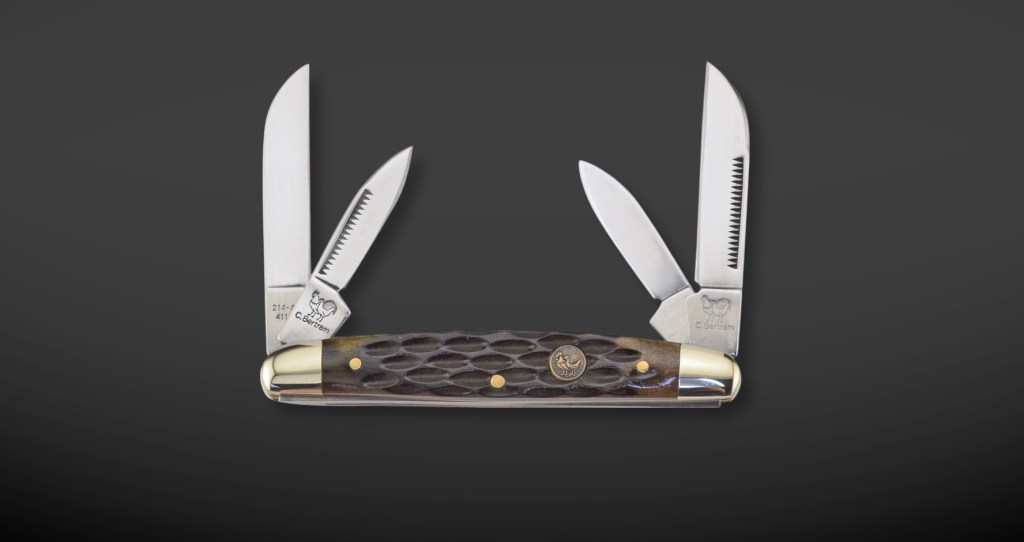
Pocket knives have long been a staple tool for tradesmen, outdoorsmen, and everyday carry enthusiasts alike. Among the many traditional pocket knife patterns, the Congress knife holds a special place due to its distinctive design, rich history, and enduring popularity. With a reputation for quality and versatility, the Congress knife has remained a cherished tool for generations. In this article, we will explore the origins, development, and continued appeal of the Congress pocket knife.
Origins of the Congress Knife
The Congress knife pattern is believed to have originated in the early 19th century, during a time when cutlery craftsmanship was flourishing in both Europe and the United States. The knife’s name is said to be linked to the U.S. Congress, though the exact connection remains speculative. Some theories suggest that the name was chosen to appeal to American patriots during the formative years of the nation.
The earliest examples of Congress knives were likely produced in England and Germany, which were renowned for their cutlery industries. However, as American manufacturing grew, domestic knife makers quickly adopted the pattern and refined its design. By the mid-1800s, U.S. companies such as Case, Queen, and Cattaraugus were producing their own versions of the Congress knife, solidifying its place in American knife-making tradition.
Distinctive Features of the Congress Knife
One of the defining characteristics of the Congress knife is its symmetrical, slightly curved frame. This shape allows for a comfortable grip and an aesthetically pleasing design. The knife typically features two or four blades, with a variety of edge profiles that cater to different cutting needs. The most common blade configurations include:
Sheepfoot Blade – Ideal for precision cutting and whittling due to its straight edge and rounded tip.
Pen Blade – A smaller, versatile blade often used for light-duty tasks.
Spey Blade – Originally designed for livestock castration, but useful for general cutting applications.
Coping Blade – A specialized blade for detail work and fine cutting, often favored by woodworkers and artisans.
The Congress knife’s multi-blade design made it particularly useful for tradesmen, who required different cutting tools for various tasks. Its robust construction and practical versatility contributed to its lasting popularity.
Rise in Popularity and American Manufacturing
As the 19th century progressed, the Congress knife gained widespread popularity among workers, farmers, and craftsmen. Its reputation for durability and functionality made it a preferred choice in industries such as agriculture, woodworking, and tailoring. The knife’s versatility also made it a favorite among gentlemen who valued an elegant yet practical tool for everyday use.
American knife makers played a crucial role in popularizing the Congress knife. Companies like W.R. Case & Sons, Schrade, and Great Eastern Cutlery produced high-quality versions of the pattern, often incorporating premium materials such as bone, stag, and exotic woods for the handle scales. Many of these knives were hand-assembled and featured intricate craftsmanship, further elevating their appeal.
Congress Knives in the 20th Century
During the 20th century, the Congress knife continued to be a mainstay in the knife industry, though it saw varying levels of popularity depending on trends and advancements in knife technology. The rise of modern folding knives and tactical blades in the latter half of the century led to a decline in traditional patterns, including the Congress knife. However, dedicated collectors and enthusiasts ensured that the pattern never completely faded from the market.
In the mid-20th century, companies like Buck and Gerber focused on producing more modern designs, but traditional knife makers such as Case and Queen Cutlery remained committed to producing high-quality Congress knives. Collectors began to appreciate these knives not only for their utility but also for their historical significance and craftsmanship. Many vintage Congress knives became highly sought after in the collector’s market.
Revival and Modern Appeal
In recent years, there has been a resurgence of interest in traditional pocket knives, including the Congress pattern. Enthusiasts and collectors have driven demand for classic knife designs, prompting manufacturers to revisit and refine these heritage patterns. Companies such as Great Eastern Cutlery, Case, and Bear & Son Cutlery continue to produce new variations of the Congress knife, often incorporating modern materials while staying true to traditional aesthetics.
Modern Congress knives are available in a variety of handle materials, including micarta, carbon fiber, and stabilized wood. Some versions feature high-performance stainless steel or carbon steel blades, providing enhanced durability and edge retention. This fusion of traditional design and contemporary materials has helped keep the Congress knife relevant in today’s market.
Collecting Congress Knives
For knife collectors, the Congress knife is a prized addition to any collection due to its historical significance and intricate craftsmanship. Vintage models from renowned brands like Cattaraugus, Schrade, and Queen Cutlery are particularly valuable, with some fetching high prices at auctions and collector shows. Limited-edition releases and custom-made Congress knives also hold significant appeal for those who appreciate fine cutlery.
A Timeless Classic
The Congress pocket knife has stood the test of time, maintaining its place as one of the most distinctive and beloved traditional knife patterns. From its early days in the 19th century to its resurgence in modern times, the Congress knife has remained a symbol of craftsmanship, utility, and American heritage.
Whether used for everyday tasks, collected as a piece of history, or cherished for its classic design, the Congress knife continues to captivate knife enthusiasts around the world. As long as there is an appreciation for finely crafted tools, the legacy of the Congress pocket knife will endure for generations to come.
 Knife History
Leave a comment