
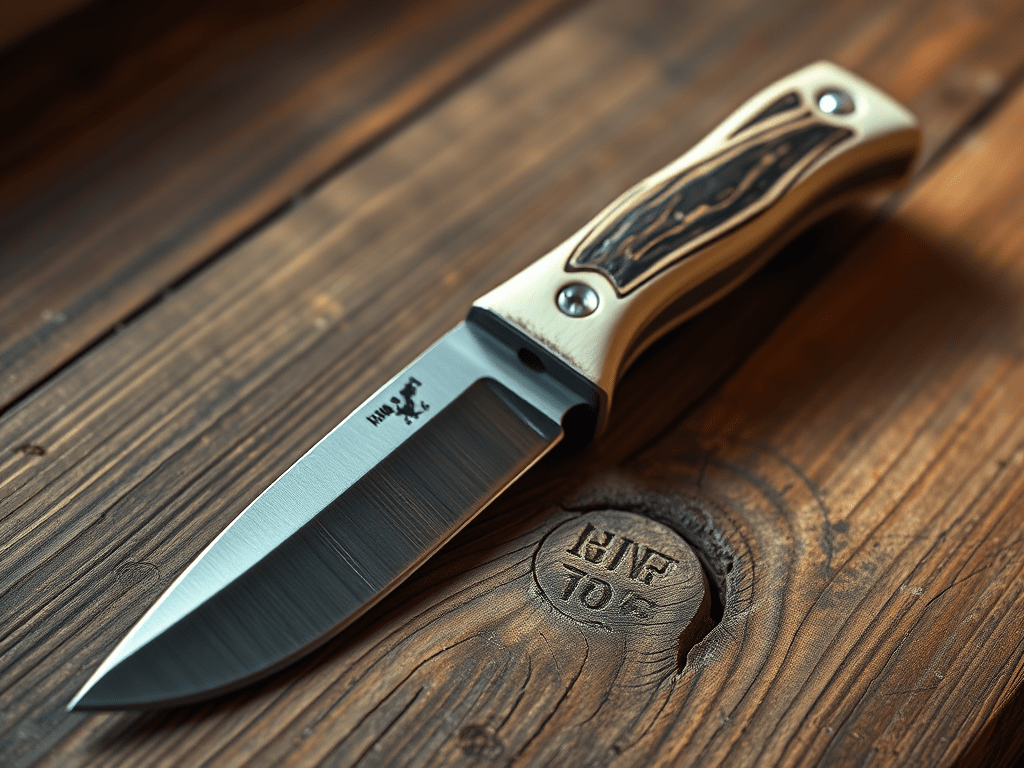
The History of Hunting Knives: Evolution, Function, and Specialization
Hunting knives have been an essential tool for humans for thousands of years, serving as a means for survival, food preparation, and self-defense. From prehistoric flint blades to modern specialized designs, hunting knives have evolved significantly in both craftsmanship and functionality. This article explores the history of hunting knives and examines the various types, including caping knives, skinning knives, and guthook knives.
Early Origins of Hunting Knives
The history of hunting knives dates back to prehistoric times when early humans crafted sharp-edged tools from stone, bone, and later, metal. These rudimentary knives were multipurpose, used for cutting meat, processing hides, and general survival.
The Bronze and Iron Ages
As metallurgy advanced, hunting knives improved in durability and sharpness. During the Bronze Age (around 3300 BCE to 1200 BCE), hunters used bronze-bladed knives, which provided a more effective cutting edge. With the advent of the Iron Age (circa 1200 BCE), iron and later steel hunting knives became the standard, offering increased strength and longevity.
Medieval and Renaissance Hunting Knives
During the medieval and Renaissance periods, hunting knives became more refined. European nobility used elaborate hunting daggers, often adorned with intricate designs. These knives served not only as tools but also as status symbols, highlighting the importance of hunting in aristocratic society.
The Evolution of Hunting Knives in the Modern Era
With the expansion of frontier life in North America and other parts of the world, hunting knives became indispensable for trappers, explorers, and settlers. The Bowie knife, named after American frontiersman Jim Bowie, became one of the most famous hunting knives of the 19th century, known for its versatility and combat effectiveness.
By the 20th century, specialized hunting knives emerged, designed to cater to specific tasks. This led to the development of caping knives, skinning knives, and guthook knives.
Specialized Hunting Knives
Caping Knives
Caping knives are small, precision-oriented blades designed for detailed work, particularly when removing the hide from around an animal’s head, face, and delicate areas. These knives are favored by taxidermists and hunters who wish to preserve the integrity of the hide for mounting purposes. Features of caping knives include:
- A short, fine blade for intricate cuts.
- A narrow tip for precision around eyes, ears, and antlers.
- A non-slip handle for better control.

Skinning Knives
Skinning knives are designed for efficiently removing an animal’s hide with minimal damage to the meat. Their curved, sharp blades allow hunters to make long, clean cuts, reducing waste and effort. Characteristics of skinning knives include:
- A curved blade for optimal slicing motion.
- A sharp edge that stays honed through extended use.
- Ergonomic handles for a comfortable grip.

Guthook Knives
Guthook knives are a specialized type of hunting knife designed to help field-dress game quickly and efficiently. The defining feature is the hooked blade, which allows hunters to make precise cuts without puncturing internal organs. Features of guthook knives include:
- A sharpened hook at the spine of the blade for easy gutting.
- A sturdy design to handle tough field conditions.
- Often paired with a standard hunting blade for versatility.

The Impact of Modern Materials and Technology
Modern hunting knives benefit from advancements in metallurgy and materials science. Stainless steel and high-carbon steel blades provide durability and corrosion resistance, while synthetic and rubberized handles offer improved grip and comfort. Many modern knives incorporate ergonomic designs, ensuring better handling during extended use.
Hunting Knives in Contemporary Culture
Hunting knives are not only practical tools but also cultural artifacts that hold significance in various traditions. They are widely used by hunters, survivalists, and outdoor enthusiasts. Additionally, they have gained popularity in collectible and custom knife markets, where craftsmanship and heritage play a major role.
The Enduring Legacy of Hunting Knives
The history of hunting knives is a testament to human ingenuity and adaptability. From primitive stone tools to highly specialized modern blades, these knives have evolved to meet the needs of hunters and outdoorsmen. Whether for skinning, caping, or gutting, hunting knives remain an essential tool for those who engage in the age-old tradition of hunting. As materials and designs continue to advance, hunting knives will undoubtedly remain a vital part of outdoor survival and sporting culture.
 Knife History