
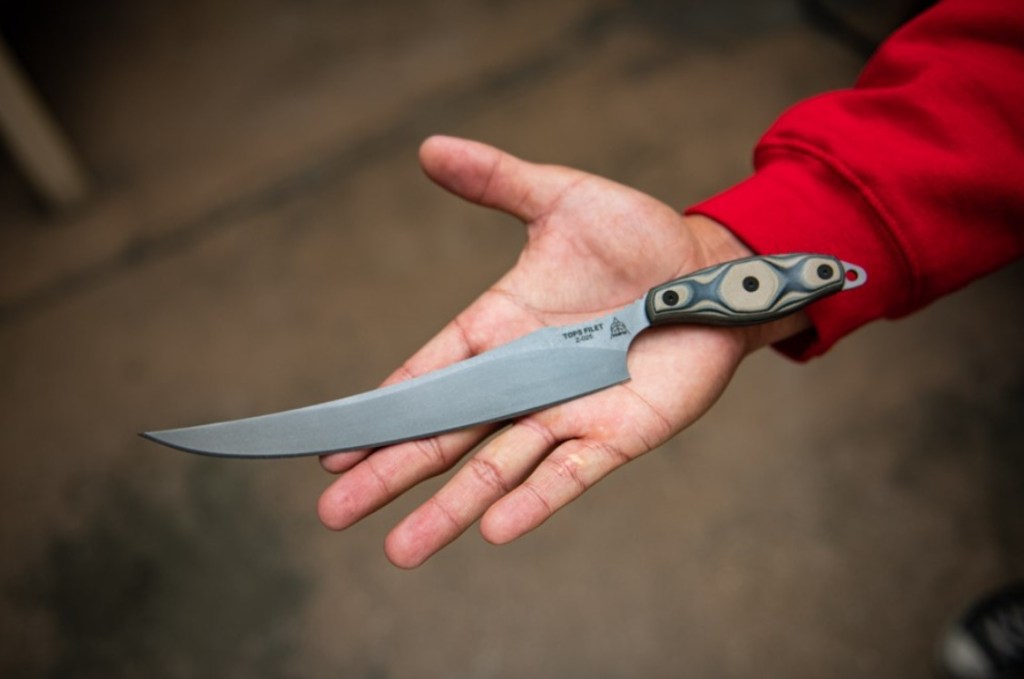
The History of Fillet Knives: Precision and Craftsmanship Through the Ages
The fillet knife is an essential tool for fishermen, chefs, and culinary enthusiasts. Designed for precision, flexibility, and efficiency, the fillet knife has evolved over centuries to become the specialized blade we know today. This article delves into the history of fillet knives, tracing their origins, development, and significance in various cultures and industries.
Early Beginnings: The Need for a Specialized Blade
Before the advent of specialized knives, early fishermen and cooks relied on basic cutting tools to process fish and meat. These rudimentary blades lacked the flexibility and thinness required for efficient filleting. Over time, as fishing techniques advanced, so did the need for a more precise cutting instrument.
Ancient and Medieval Fish Processing Tools
- Prehistoric and Ancient Knives: Early civilizations, such as the Egyptians and Mesopotamians, used sharpened stone or bronze blades to process fish. These tools, while effective, lacked the finesse required for delicate filleting.
- Medieval Europe: During the Middle Ages, as fishing became an important industry in Europe, specialized knives began to emerge. Blades were crafted from iron and later steel, offering sharper and more durable edges.
The Evolution of the Fillet Knife
As metallurgy advanced, knife makers began refining the design of fillet knives to improve efficiency and ease of use. By the 18th and 19th centuries, fillet knives had become essential tools in coastal communities and professional kitchens.
The Development of Flexible Blades
One of the key innovations in fillet knife design was the introduction of flexible steel. This allowed the blade to bend and follow the contours of fish bones, making filleting easier and reducing waste.
- Scandinavian Influence: Scandinavian knife makers, particularly in Finland and Sweden, played a crucial role in the development of modern fillet knives. The puukko-style knife, with its sharp and nimble design, influenced many contemporary fillet knife models.
- Japanese Deba Bocho: In Japan, the deba bocho was developed as a specialized fish knife. While not as flexible as modern fillet knives, it provided precision and durability for cutting through fish.
Industrial Advancements and Modernization
With the Industrial Revolution came mass production and improved materials, leading to the widespread availability of high-quality fillet knives. Stainless steel blades became the standard due to their resistance to corrosion, a critical feature for knives frequently exposed to moisture and fish oils.
- 20th Century Innovations: By the mid-20th century, companies like Rapala and Dexter-Russell began producing fillet knives with ergonomic handles, flexible blades, and razor-sharp edges. These innovations made filleting more efficient for both commercial and recreational users.
- Introduction of Electric Fillet Knives: In recent decades, electric fillet knives have gained popularity, offering speed and ease for high-volume fish processing.
Cultural and Culinary Significance
Fillet knives are indispensable in many culinary traditions. From preparing delicate sushi in Japan to cleaning freshwater fish in North America, these knives play a crucial role in seafood preparation worldwide.
- French Cuisine: French chefs rely on precise fillet knives for preparing delicate fish dishes such as sole meunière.
- Nordic Traditions: Scandinavian cultures have long used fillet knives for preparing herring, salmon, and other cold-water fish.
- American Fishing Culture: In the U.S., fillet knives are essential tools for sport fishing, commercial fishing, and seafood markets.
The Future of Fillet Knives
As technology and materials continue to advance, the future of fillet knives looks promising. Modern blades incorporate high-carbon stainless steel, non-slip handles, and even smart technology to enhance precision and user experience. Whether used in professional kitchens or on fishing boats, the fillet knife remains a testament to craftsmanship and innovation.
The Lasting Legacy of the Fillet Knife
From ancient fish-processing tools to modern precision instruments, the fillet knife has undergone a remarkable evolution. Its development reflects advancements in metallurgy, culinary needs, and fishing practices. As a vital tool in both professional and recreational settings, the fillet knife continues to be a symbol of precision and efficiency in food preparation.
 Knife History